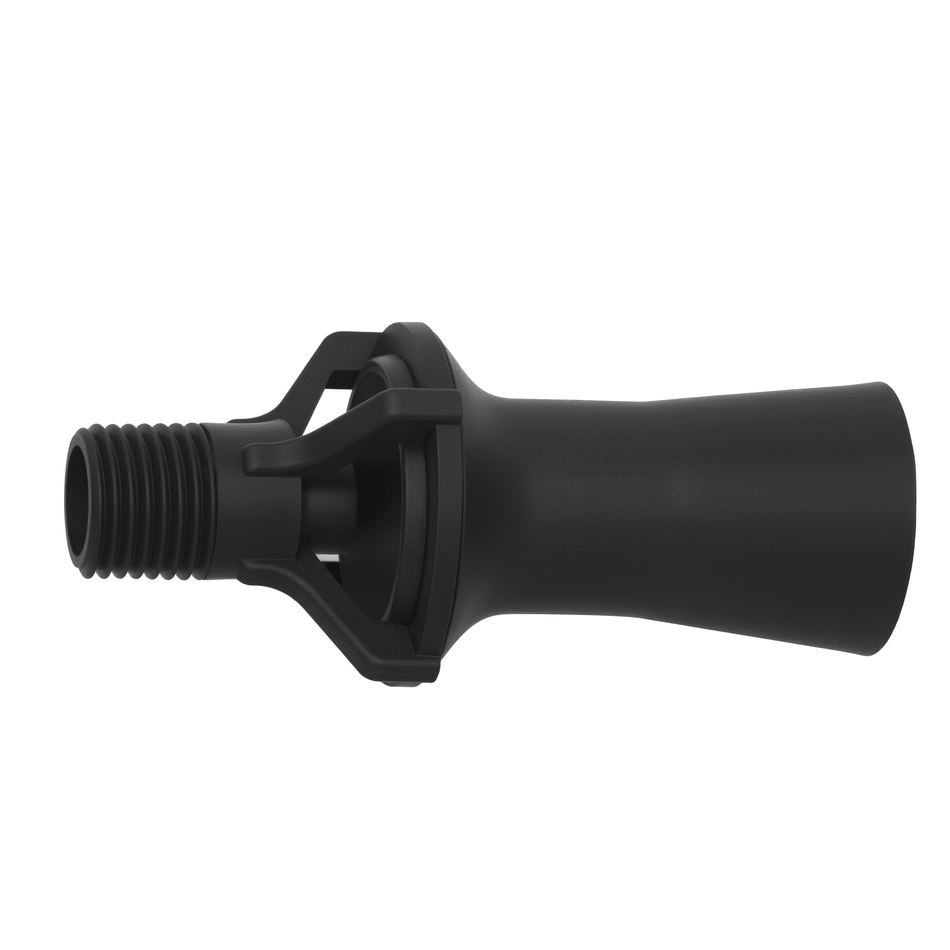
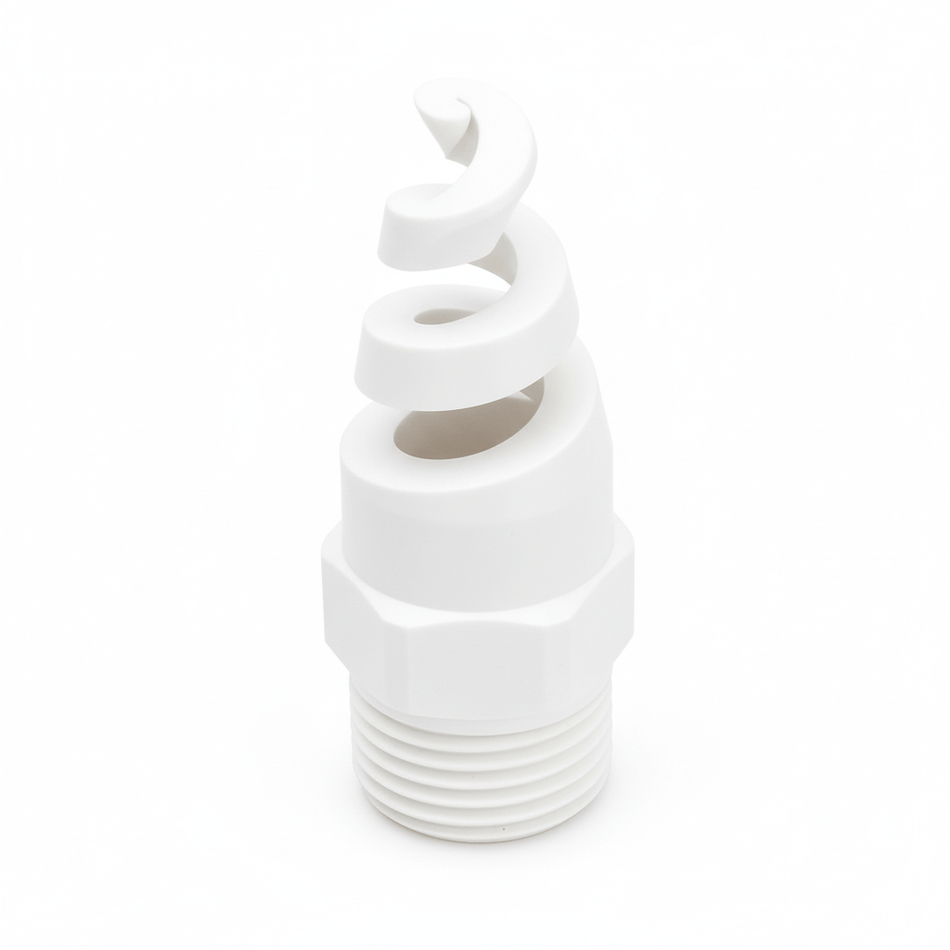
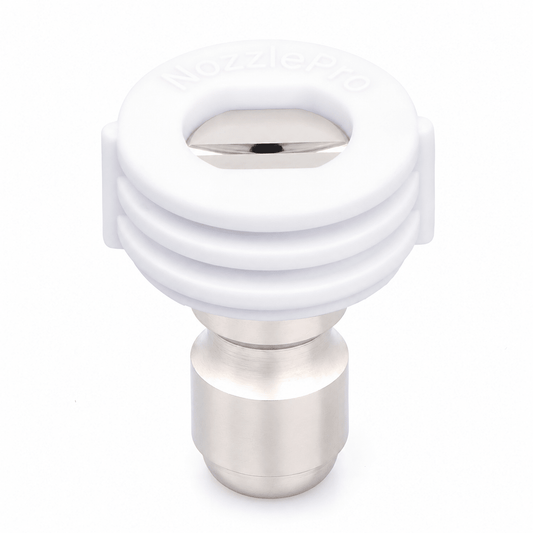
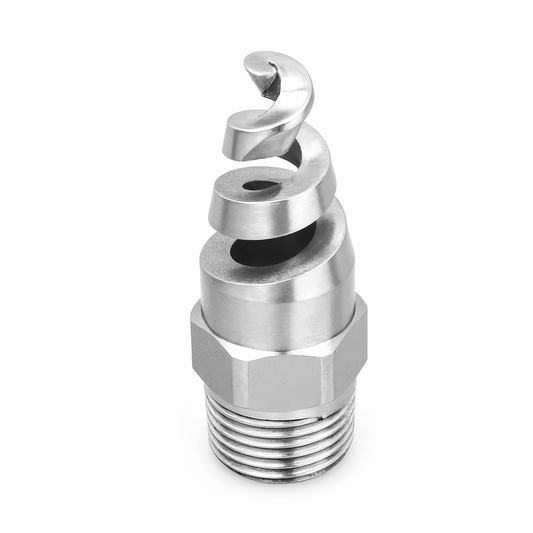
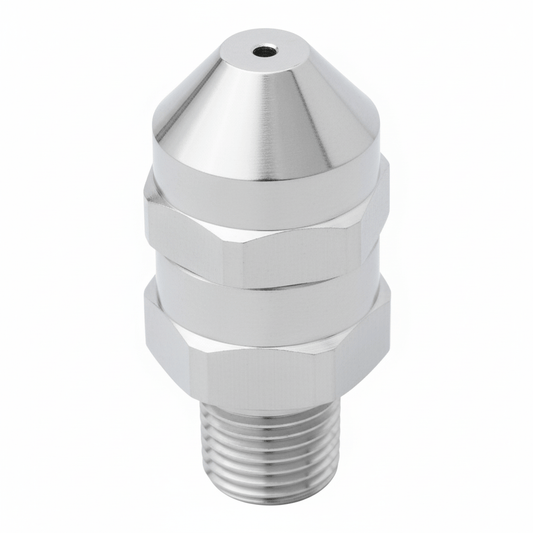
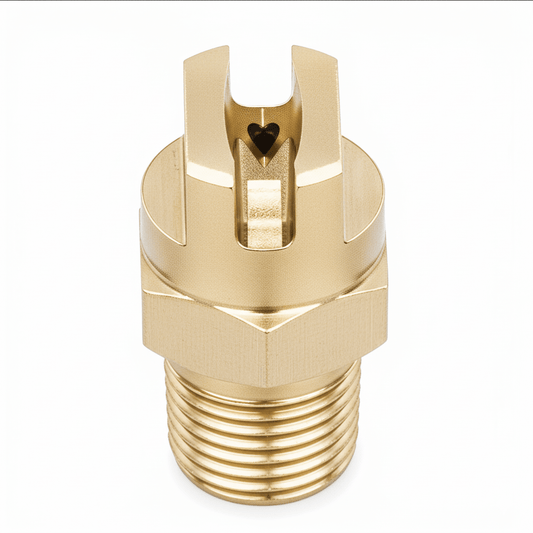
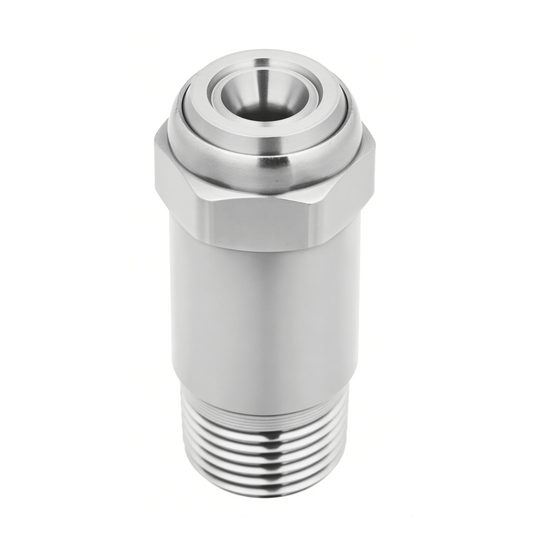
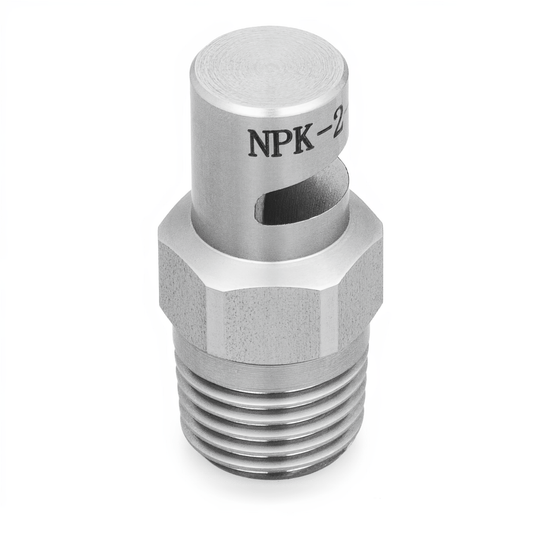
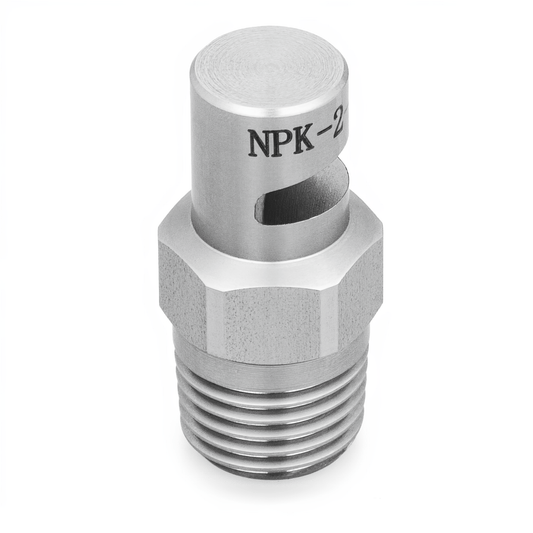
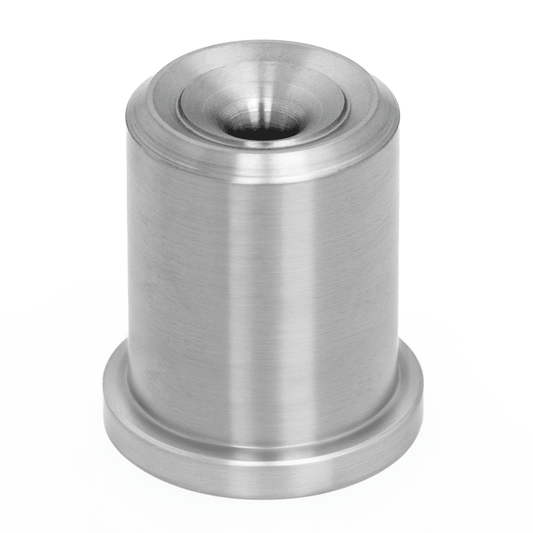
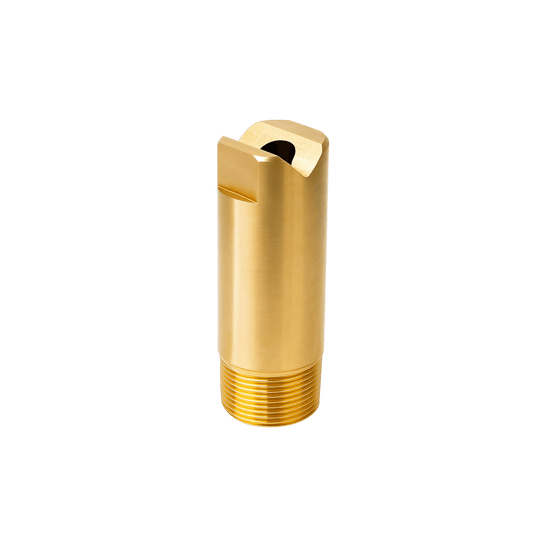
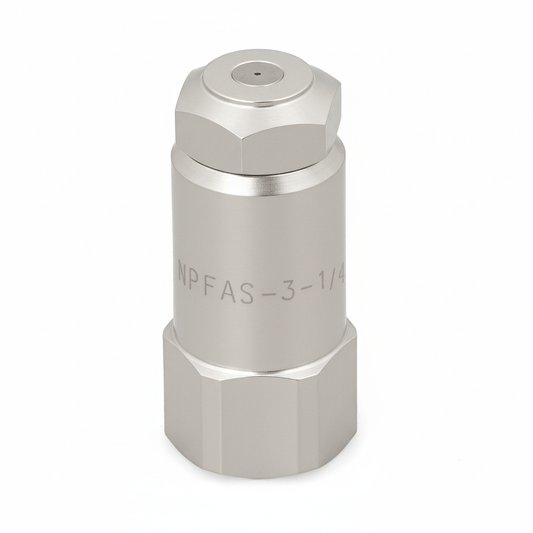
Polypropylene nozzles provide a lightweight, corrosion-resistant option for spraying water, cleaning solutions, and many compatible process chemicals. NozzlePro offers polypropylene spray nozzles for chemical processing, surface treatment, rinsing, cooling, coating, humidification, sanitation, and general industrial fluid distribution. Their nonmetallic construction makes them useful in environments where moisture, corrosive fluids, or reduced equipment weight are important considerations. Browse flat fan, full cone, hollow cone, misting, and specialty nozzles available in multiple flow rates, spray angles, operating pressures, inlet sizes, and connection types. Use the filters below to find the right polypropylene nozzle based on chemical compatibility, fluid temperature, spray pattern, required coverage, operating pressure, and equipment specifications.
Polypropylene Nozzles
This Polypropylene Spray Nozzles collection helps engineers compare industrial spray nozzles and related components where Polypropylene is selected for lightweight chemical-resistant service. Use it to review spray pattern, pressure range, connection size, and application fit across related NozzlePro series.
Start with the process result you need, then narrow by fluid chemistry, operating pressure, spray pattern, and maintenance access. Across this collection, common nozzle families include Adjustable Nozzles, Spiral Full Cone Nozzles, Spiral Hollow Cone Nozzles, and Flat Fan Nozzles; commonly compared series include NPC, NPHSJ, NPSJ, NPQPT, and NPHV-KY/PP; common sizes include 3/8 in., 1/4 in., 1/8 in., and 1/2 in.; common thread options include NPT; common industries include Building Materials, Steel & Metals, Manufacturing & Assembly, Breweries & Wineries, and Food & Beverage.
Key selection factors
Common applications include Cleaning & Washing, Cooling & Quenching, Dust & Pollution Control, and Coating & Surface Treatment.
Common product families include Adjustable Nozzles, Spiral Full Cone Nozzles, Spiral Hollow Cone Nozzles, and Flat Fan Nozzles.
Compare related series such as NPC, NPHSJ, NPSJ, NPQPT, and NPHV-KY/PP.
Common connection sizes include 3/8 in., 1/4 in., 1/8 in., and 1/2 in. with NPT connections where available.
Frequently selected in Building Materials, Steel & Metals, Manufacturing & Assembly, Breweries & Wineries, and Food & Beverage.