
8 Products
Choose a series
Compare the series below, then select a nozzle to see its specifications.

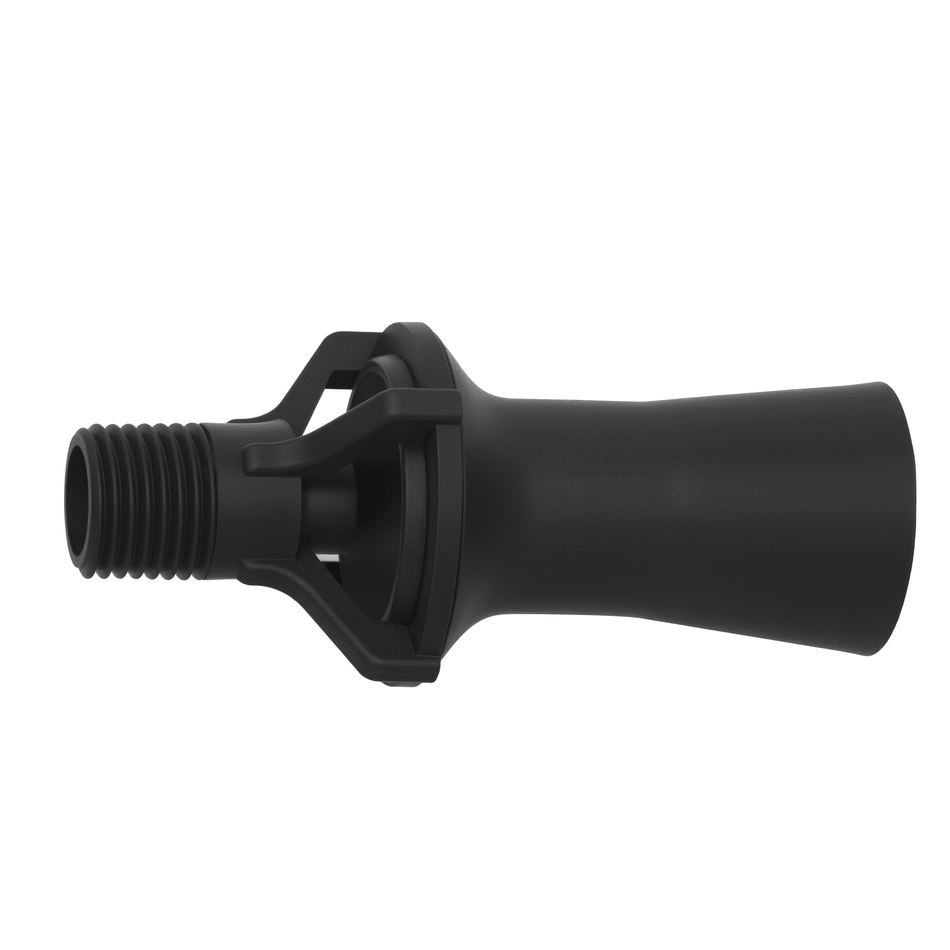
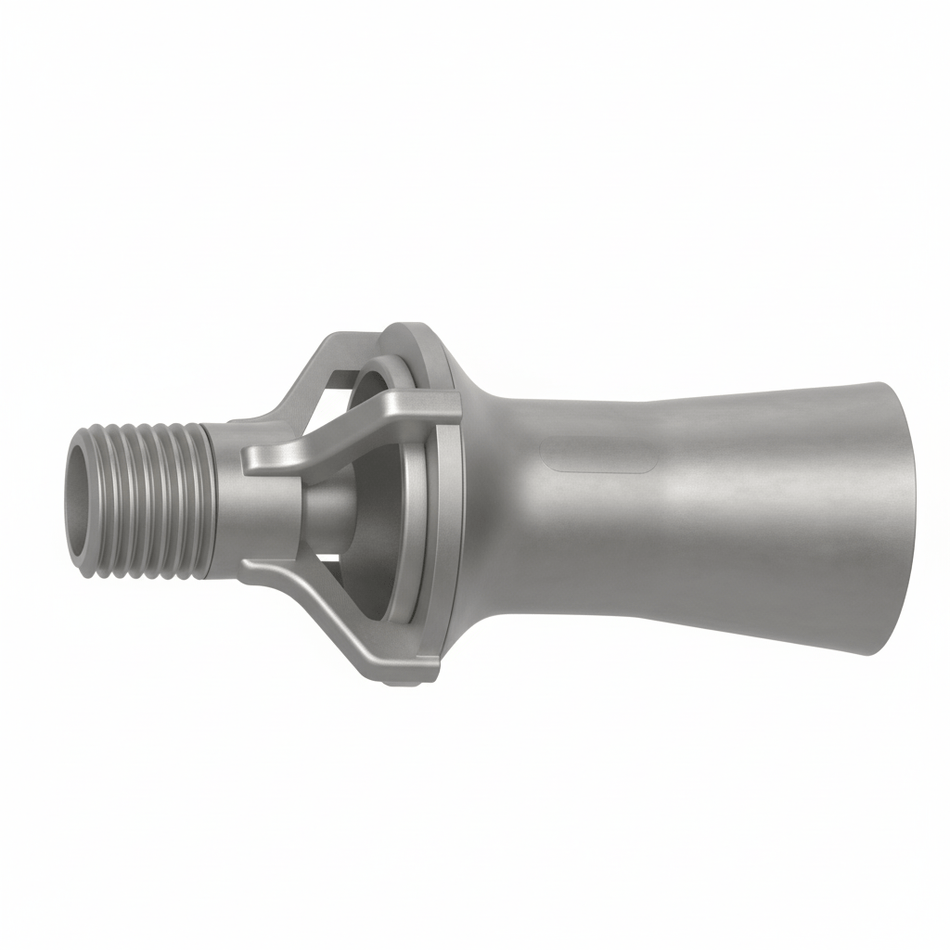
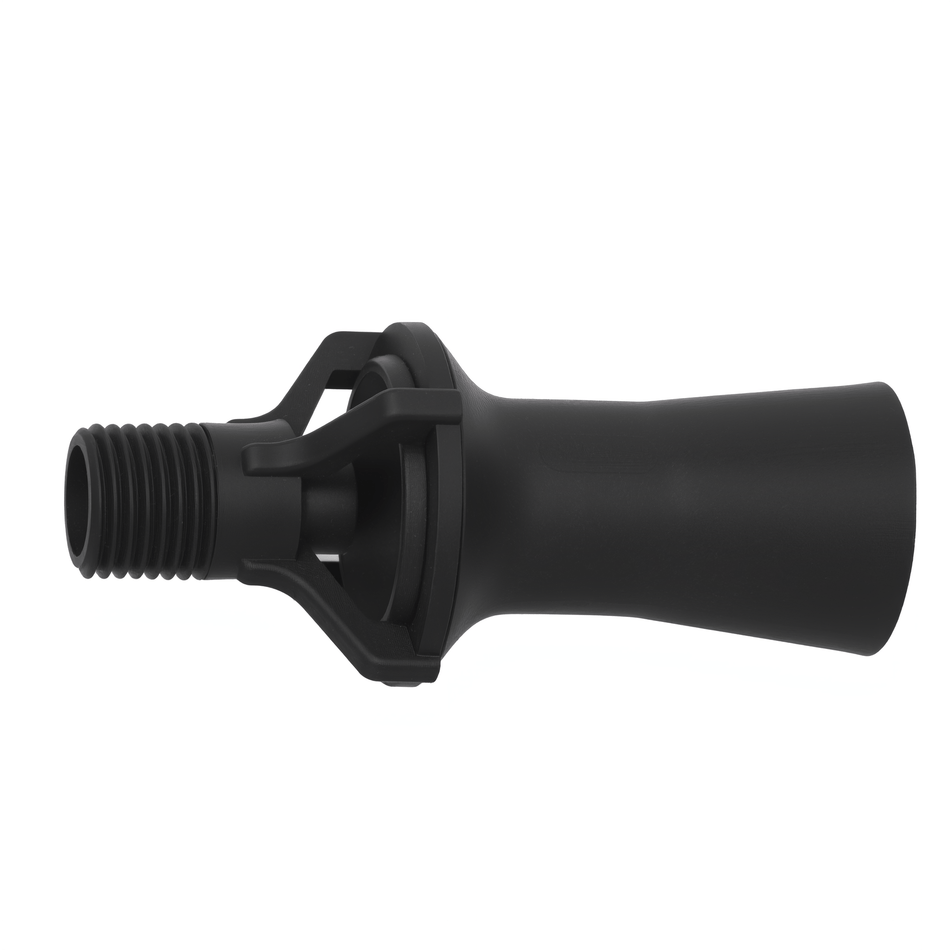
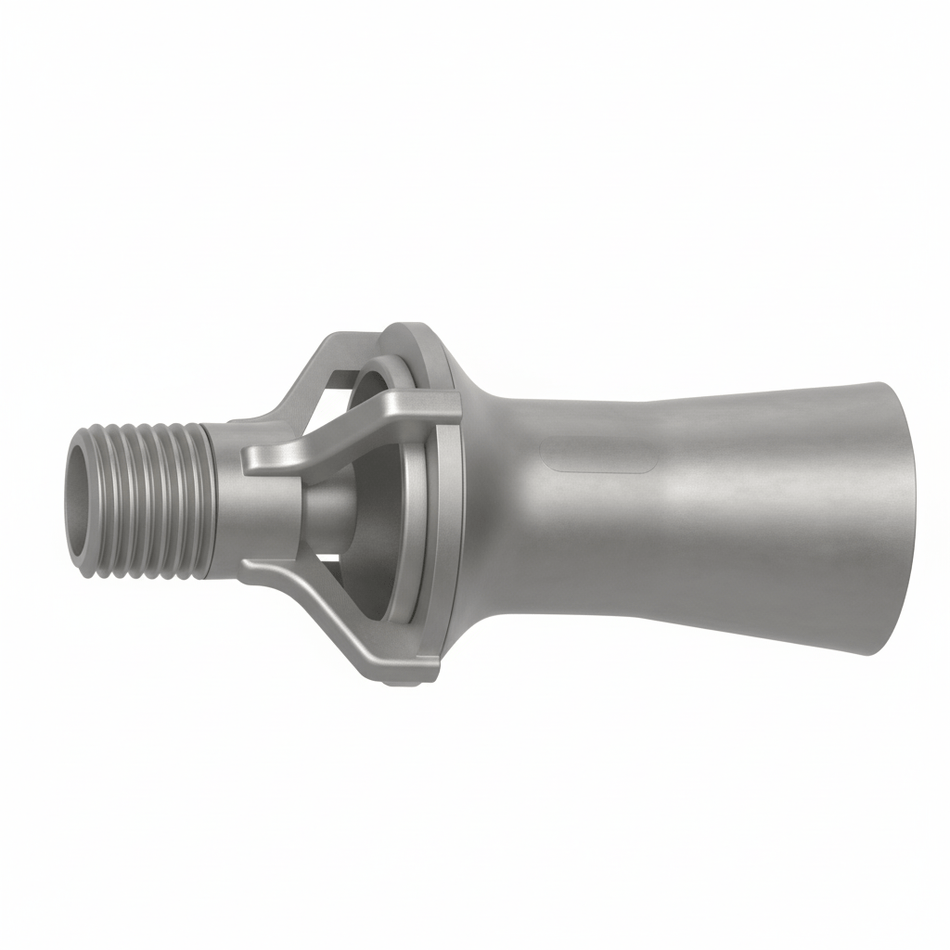
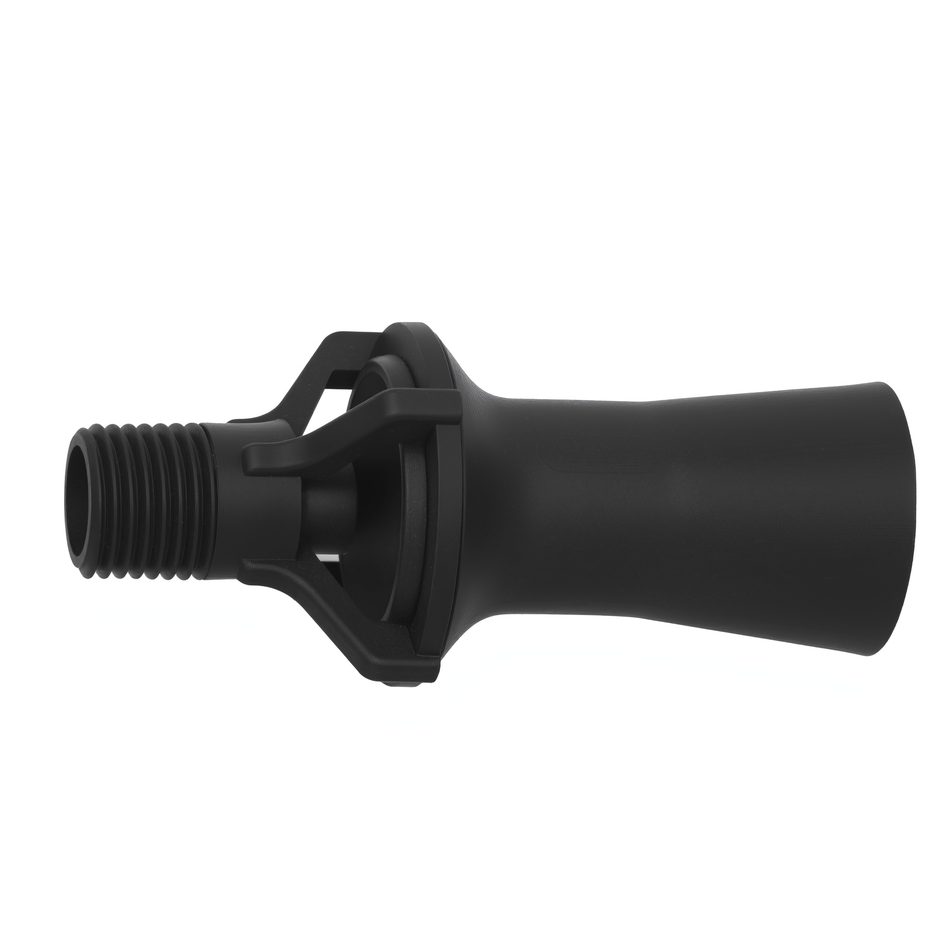

Eductor Spray Nozzles for Tank Mixing and Liquid Agitation
Eductor nozzles use the venturi effect to entrain surrounding liquid, generating powerful flow for thorough tank mixing.

Spray Pattern
Eductor
Available SKUs
8 Products
Quality
Industrial Grade
Shipping
Ships Fast
How Eductor Nozzles Work
Pressurized liquid through the Nozzle creates a low-pressure zone that draws in and accelerates the surrounding tank contents.
Operating Principle
Eductor Nozzles supports industrial spray performance where engineers need the right balance of coverage, pressure, and application fit.
What to Compare
Compare eductor spray pattern, capacity, material options such as polypropylene and 316L stainless steel, and connection details such as 1/4 in., 3/8 in., 1/2 in., and 3/4 in. where available.
Installation & Maintenance
Start with the process result you need, then confirm mounting distance, pressure at the nozzle, fluid compatibility, and how easily the part can be serviced.
Eductor Nozzle Applications
Eductors are used for tank agitation, chemical blending, sump mixing, and maintaining uniform temperature in process vessels.
Cleaning & Washing
Support rinsing, washdown, parts cleaning, and surface cleanup with coverage and impact matched to the soil load and line speed.
Fire Protection & Safety
Support cooling, deluge, and protective spray coverage where system reliability and distribution matter.
Foam Control & Suppression
Apply controlled spray to knock down foam, manage spills, or support suppression systems.
Selecting the Right Eductor Nozzle
Consider tank volume, inlet pressure, liquid viscosity, and desired mixing intensity when choosing an eductor.
Flow Rate & Pressure
Start with the flow rate you need at the operating pressure available at the nozzle or assembly.
Spray Pattern & Coverage
Choose the eductor spray pattern that best matches the coverage width, impact, atomization, or washdown result your process requires.
Materials & Connections
NozzlePro eductor nozzles ship in two materials, matched across every inlet size: 316L stainless steel eductor nozzles (metal eductor nozzles) for high-temperature, high-pressure, abrasive, or oxidizing service. 316L is the workhorse choice for galvanizing baths, etch lines (with the right chemistry), aggressive cleaning solutions, and any duty above 200°F. Solid one-piece construction with no internal moving parts means no wear surface to track, no diaphragm to replace, and no schedule-driven service interval. Polypropylene eductor nozzles (plastic eductor nozzles) for cold corrosive chemistries where stainless cannot survive: hydrochloric acid (any concentration), sodium hypochlorite, sulfuric acid (below ~70%), most plating-bath solutions, and rinse-tank duty. PP is rated to ~180°F continuous, above that, switch to 316L or Alloy 20 (custom on request). Connections: All NozzlePro eductors use male NPT inlet threading in 1/4 in., 3/8 in., 1/2 in., and 3/4 in. sizes. The discharge end is open-flow (no thread), sized to deliver the 4-6x entrainment ratio that defines eductor performance. For non-NPT connections (BSP, flange-mounted, or sanitary tri-clamp), specify in the RFQ.
Maintenance & Reliability
Consider clogging risk, wear life, ease of change-out, and the maintenance routine your process can realistically support.
Industries Using Eductor Nozzles
Chemical processing, food and beverage, water treatment, and petroleum industries depend on eductors for reliable liquid agitation.
Eductor Nozzle FAQ
Common questions about eductor nozzle placement, entrainment ratios, and optimal operating conditions.
What is the Eductor Nozzles collection used for?
The Eductor Nozzles collection is commonly used for Cleaning & Washing, Fire Protection & Safety, and Foam Control & Suppression.
How do I choose the right Eductor Nozzles?
Start with the required process result, then define flow rate, operating pressure, coverage target, material compatibility, and maintenance needs.
What spray pattern should I compare for Eductor Nozzles?
The best eductor spray pattern depends on the geometry you need to cover, the spray impact required, and the pressure available at the nozzle.
What materials are available for Eductor Nozzles?
Common material options may include polypropylene and 316L stainless steel. Always match materials to fluid chemistry, temperature, and wear conditions.
What inlet sizes and connections are common for Eductor Nozzles?
Common options vary by series, but many selections compare sizes such as 1/4 in., 3/8 in., 1/2 in., and 3/4 in. where available.
How do flow rate and pressure affect Eductor Nozzles selection?
Flow rate and pressure control coverage, droplet size, impact, and chemical or water usage, so they should be defined before choosing a series.
Which applications are common for Eductor Nozzles?
Common applications include Cleaning & Washing, Fire Protection & Safety, and Foam Control & Suppression.
Which industries commonly use Eductor Nozzles?
Eductor Nozzles are frequently selected in Automotive, Chemical Processing, Food & Beverage, and Manufacturing & Assembly.
How can I reduce clogging, wear, or maintenance issues with Eductor Nozzles?
Choose the correct material and orifice design for the fluid, verify filtration where needed, and set a maintenance routine based on actual service conditions.
When should I contact NozzlePro about Eductor Nozzles?
Reach out when you need help balancing process performance, pressure, chemistry, maintenance access, or multiple candidate series.
When should I choose a 316L stainless steel eductor nozzle vs a polypropylene one?
316L stainless steel eductor nozzles are the right choice for high-temperature service (up to ~400°F continuous), abrasive slurries, oxidizing acids, and any duty where mechanical impingement could erode plastic. Polypropylene eductor nozzles are preferred for cold-to-ambient corrosive chemistries, concentrated hydrochloric acid, sodium hypochlorite, ferric chloride, plating-bath chemistries, and most electroplating rinse tanks, where 316L would corrode but PP is fully compatible. NozzlePro stocks both materials in matched 1/4", 3/8", 1/2", and 3/4" NPT inlet sizes; switching between them is a direct swap with no piping change.
How do I size an eductor nozzle for tank mixing?
Size to total tank turnover, not just nozzle flow rate. Each eductor delivers approximately 5x its motive flow as total recirculated volume, so a single 1/2" eductor at 10 GPM motive flow moves about 50 GPM through the tank. Target one full tank turnover every 5-15 minutes for general agitation, every 60-90 seconds for plating uniformity. For tanks larger than ~500 gallons, use a multi-nozzle eductor configuration, typically one nozzle per 100-250 gallons, mounted at the tank floor and aimed at a 30-45° upward angle to create a rolling circulation pattern.
When should I use a multi-nozzle eductor system instead of a single eductor?
Multi-nozzle eductor systems are required whenever a single eductor can't reach end-to-end across the tank, generally tanks longer than ~6 feet, deeper than ~5 feet, or non-rectangular (annular, oval, or compartmentalized). They're also preferred when you need to maintain even agitation during partial tank fills, or when sediment concentrates in dead zones a single nozzle can't reach. Annular multi-nozzle eductor arrays are common in metal-finishing lines and chemical processing tanks where uniform suspension of solids is critical.
Related Mixing and Agitation Products
Tank cleaning nozzles and full cone spray nozzles complement eductors in complete tank management systems.

Need Help Selecting the Right Nozzle?
Our engineering team is ready to help you find the perfect spray solution for your application.