
742 Products


What Are Industrial Washdown Nozzles?
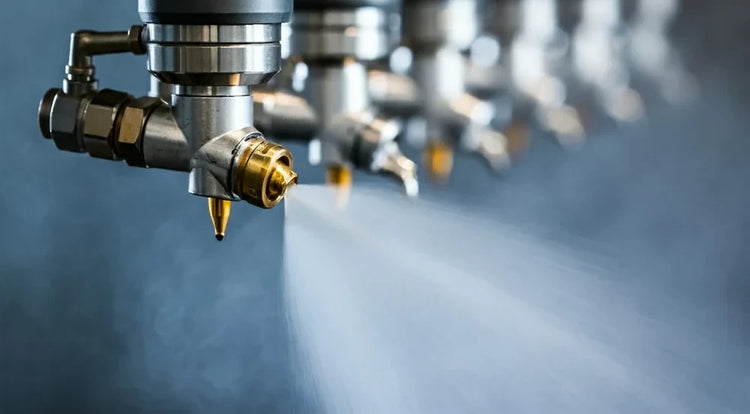
The Washdown series delivers consistent, repeatable spray performance across a wide range of industrial flow rates, pressures, and coverage requirements.
Spray Pattern
Varies by Nozzle configuration: • Adjustable fan spray • Full cone spray • Solid stream impact rinse • Foam spray patterns • Chemical injection spray systems Pattern and flow rate depend on pressure, Nozzle type, and application requirements.
Available SKUs
742 Products
Quality
Industrial Grade
Shipping
Ships Fast
How Washdown Systems Work?
A typical industrial washdown station consists of several components working together:
Washdown nozzles and spray guns
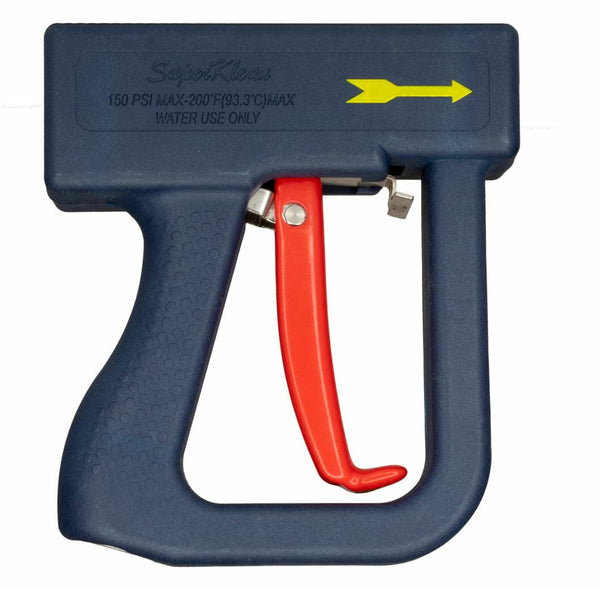
They are the point-of-use tools that the operator holds to direct the spray. Trigger-operated spray guns give the operator control over flow and pattern — most offer adjustable spray from a concentrated jet (for stubborn residue) to a wide fan (for broad rinsing). Fixed-mount washdown nozzles are installed on headers or brackets for automated or semi-automated cleaning of specific zones.
Washdown hoses
connect the water supply to the nozzle or gun. Industrial washdown hoses must withstand hot water (140°F–200°F for sanitary applications), aggressive cleaning chemicals (caustic, acid, chlorinated solutions), repeated coiling and uncoiling, and exposure to fats, oils, and food residues without degradation. They are typically reinforced thermoplastic or rubber construction with smooth outer covers that resist bacterial adhesion and are easy to wipe clean.
Hose stations and reels
organize and store the hose when not in use, and provide a fixed connection point to the facility water supply. Wall-mounted hose stations are the standard in food plants, pharmaceutical facilities, and anywhere OSHA and sanitary compliance requires that hoses are stored off the floor.
Water supply and mixing
washdown systems draw from the facility's hot and cold water supply, often through thermostatic mixing valves that maintain a consistent wash temperature. In sanitary facilities, water temperature and chemical concentration must be controlled to meet cleaning SOPs and HACCP requirements.
Washdown Series Application Areas
The Washdown Nozzle series performs reliably in cooling, cleaning, coating, rinsing, and chemical application across industrial environments.
Cleaning & Washing
Support rinsing, washdown, parts cleaning, and surface cleanup with coverage and impact matched to the soil load and line speed.
Disinfection & Sanitization
Apply sanitizers and rinse stages with controlled coverage for hygienic washdown and surface treatment.
Coating & Surface Treatment
Apply coatings, chemicals, and pretreatment fluids with repeatable coverage and controlled transfer efficiency.
Selecting the Right Washdown Nozzle
Choose the correct orifice size, spray angle, and material option within the Washdown series to match your specific flow rate and process requirements.
System Requirements
Start with the operator task, service environment, and durability requirements the component must meet in daily use.
Connections & Fit-Up
Confirm the hose, thread, or station interface before finalizing the part; common sizes include 3/4 in., 5/8 in., 1/2 in., and 1/4 in. with NPT and GHT connections where available.
Materials & Service Conditions
Select materials compatible with temperature, water quality, chemicals, abrasion, and washdown conditions; common options may include EPDM, 303/304 stainless steel, EPDM with Microban, and nitrile/carbyn rubber with Microban.
Maintenance & Replacement
Consider wear life, ease of change-out, cleaning routine, and how quickly the part can be serviced when uptime matters.
Industries Using the Washdown Series
The Washdown nozzle series serves manufacturing, food processing, chemical, and general industrial applications across multiple sectors.
Washdown Series FAQ
Answers to common questions about Washdown series specifications, material options, ordering, and technical support.
What is the difference between a washdown nozzle and a regular spray nozzle?
Washdown nozzles are specifically designed for facility and equipment cleaning by operators, they are the point-of-use spray tools for hosing down floors, walls, equipment, and drains. This means they are built for ergonomic handling (trigger guns, adjustable patterns), sanitary construction (smooth surfaces, food-safe materials), and compatibility with washdown hoses and hose stations. Regular industrial spray nozzles are typically mounted inside process equipment (on headers, manifolds, or tanks) for automated spray applications like CIP cleaning, cooling, or coating. Different tools for different jobs.
What makes washdown equipment "sanitary" or "food-grade"?
Sanitary washdown equipment is constructed from materials and designs that prevent bacterial harborage, resist aggressive cleaning chemicals, and meet regulatory standards for use in food-contact and food-zone environments. Key features include: 316L stainless steel or FDA-approved polymer construction, smooth and crevice-free surfaces (no gaps where bacteria can hide), seals and gaskets made from food-safe elastomers (EPDM, silicone), and third-party certifications like USDA acceptance or 3-A Sanitary Standards compliance. The construction must withstand repeated exposure to hot water (up to 200°F) and concentrated cleaning chemicals without degrading.
How many washdown stations do I need for my facility?
The standard guideline for food and beverage plants is one washdown station every 50–75 feet along production lines, with every point in the production area reachable by a hose without crossing traffic aisles or dragging through product zones. Determine the maximum hose reach from each station (accounting for routing around equipment), map the coverage zones, and confirm there are no gaps. In practice, most food plants also place dedicated washdown stations at high-soil areas (slaughter floors, raw product handling, packaging) and at facility entry points (boot wash stations). Your sanitary or food safety team should review the washdown station layout as part of the facility's SSOP (Sanitation Standard Operating Procedures).
Can I use hot water through washdown hoses and nozzles?
Yes, but you must verify temperature ratings. Standard industrial hoses may only be rated to 140°F (60°C), which is insufficient for sanitary hot-water washdown cycles that commonly use 160°F–200°F water. Sanitary-grade washdown hoses are specifically rated for continuous hot water service, look for hoses rated to at least 200°F (93°C) with construction that resists softening, expansion, and chemical degradation at elevated temperatures. Similarly, verify that the spray gun and nozzle seals are rated for your maximum wash temperature.
What flow rate and pressure should my washdown system deliver?
Effective facility washdown typically requires 5–15 GPM at 40–120 PSI at the nozzle. For general floor rinsing and light soil removal, 5–8 GPM at 40–60 PSI is adequate. For removing heavy residues (fats, proteins, dried product), 8–15 GPM at 80–120 PSI provides the impact force needed. Avoid exceeding 150 PSI in food facilities, high-pressure spray aerosolizes contaminants and creates microbiological cross-contamination risks, which is a significant concern in USDA and FSMA-regulated environments. If you need higher impact for specific tasks, use targeted cleaning tools rather than increasing system-wide pressure.
How do I improve service life for washdown?
Choose materials that match the operating environment, avoid over-stressing the component, and replace parts before wear affects system performance.
When should washdown be replaced?
Replace the part when wear, leakage, fit-up problems, stiffness, corrosion, or reduced performance starts affecting day-to-day operation.
When should I contact NozzlePro about washdown?
Reach out when you need help with compatibility, service conditions, replacement planning, or selecting the best configuration for your washdown setup.
Related Nozzle Series
Explore related NozzlePro Nozzle series with similar spray patterns, flow ranges, or material options for your application.

Need Help Selecting the Right Nozzle?
Our engineering team is ready to help you find the perfect spray solution for your application.