
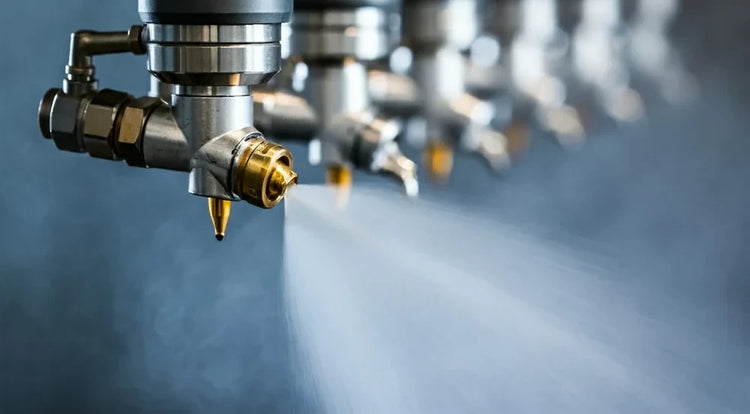
Rotierende Düsenreiniger & Sprühdüsen für
Schiffstankreinigung, Laderaum- & Bilgenreinigung
Ein Massengutfrachter, der von einer Kohleladung auf eine Getreideladung umstellt, muss einen Laderaum-Reinheitsstandard erreichen, den eine statische Sprühkugel nicht liefern kann – die 3D-Prallgeometrie eines rotierenden Düsenreinigers ist die einzige Sprühtechnologie, die die mechanische Scheuerkraft erzeugt, die erforderlich ist, um tief sitzenden Kohlenstaub von den Strukturrahmen und Bilgenbereichen eines Laderaums ohne Betreten durch Personal zu entfernen. Bei Produktentankern und Chemikalientankern steht noch mehr auf dem Spiel: Unvollständige Tankreinigung zwischen den Ladungssorten führt zu Kreuzkontaminationen, die den Wert der nächsten Ladung zerstören. Bei Tankern mit flüchtigen Produkten darf das Reinigungssystem selbst in einer Kohlenwasserstoffatmosphäre kein Zündrisiko darstellen.
Frachtschiffe und Massengutfrachter verwenden rotierende Prallstrahlreiniger als primäre Tank- und Laderaumreinigungsgeräte. Ein rotierender Prallstrahlreiniger besteht aus einem flüssigkeitsgetriebenen rotierenden Kopf, der zwei oder mehr Hochgeschwindigkeitswasserstrahlen in einem programmierten 3D-Schwenkmuster lenkt – das alle Innenflächen des Tanks oder Laderaums, einschließlich des Überkopfbereichs, der Seitenrahmen, der strukturellen Spanten und der Bilgenbereiche, von einem einzigen Einführpunkt aus abdeckt. Die Rotation wird vollständig durch den Speisewasserdruck über einen internen Zahnrad- oder Turbinenmechanismus ohne elektrische Komponenten angetrieben, wodurch sie für den Einsatz in Kohlenwasserstoff-Dampfatmosphären auf Produkt- und Chemikalientankern von Natur aus sicher ist.
Für Massengutfrachter, die zwischen inkompatiblen Ladungssorten wechseln, löst die mechanische Prallwirkung des rotierenden Prallstrahlreinigers verdichtete Ladungsrückstände physisch aus strukturellen Spalten, die statische Sprühabdeckungen nicht erreichen können. Bei Produkttankern, bei denen die Tankbeschichtungsintegrität entscheidend ist, ermöglichen der kontrollierte Strahldruck und die Rotationsgeschwindigkeit eine gründliche Reinigung ohne Druckspitzen, die Epoxid- oder Zinksilikat-Tankbeschichtungen beschädigen könnten. Die Bilgenreinigung verwendet feste Sprühdüsenanordnungen oder Niederdruck-Statiksprühkugeln, um die Bilge während des Ladungsbetriebs kontinuierlich mit Seewasser oder alkalischer Reinigungslösung zu spülen.
Eine statische Sprühkugel verteilt Wasser durch mehrere kleine Öffnungen, die um eine Kugel angeordnet sind, und erzeugt ein festes Sprühmuster, das den Tankinnenraum durch schwerkraftgespeisten Fluss bei niedrigem Druck – typischerweise 1–3 bar – abdeckt. Die Abdeckungsqualität hängt ausschließlich davon ab, ob die Durchflussrate hoch genug ist, um alle Oberflächen gleichzeitig zu benetzen. Statische Sprühkugeln sind einfach, kostengünstig und effektiv für Tanks mit regelmäßiger Geometrie und leichter Verschmutzung, bei der allein das Benetzen eine Reinigung erzielt.
Ein Rotationsstrahlreiniger konzentriert die gleiche oder eine geringere Durchflussrate in zwei bis vier Hochgeschwindigkeitsstrahlen, die nacheinander auf jeden Punkt der Tankinnenfläche durch eine programmierte 3D-Rotation gerichtet werden. An jedem Punkt liefert der Strahl einen viel höheren Aufpralldruck, als eine statische Sprühkugel erreichen kann – typischerweise 5–20-mal höherer dynamischer Druck pro Flächeneinheit –, was dazu führt, dass anhaftende Ablagerungen physisch entfernt werden, anstatt nur lose Materialien abzuspülen. Für Laderäume nach einer Kohle- oder Erzladung oder für Produkttanks mit früheren Ladungsrückständen ist die Rotationsstrahlprallreinigung die Spezifikation, die Reinheitsstandards erreicht, die statische Sprühverfahren nicht können.
Rotationsstrahl-Prallreinigung vs. statisches Sprühen: Die Physik der maritimen Reinigungsleistung
Rotationsstrahl-Prallreiniger
3D-programmierter Schwenk – konzentrierter mechanischer Aufprall – keine elektrischen KomponentenStatische Sprühkugeln & feste Düsenanordnungen
Niederdruck-Spülabdeckung – einfache Installation – leichte VerschmutzungMassengutfrachter-Laderäume, Produkttanker, Tanks für flüchtige Güter und Bilgenreinigung
Jede Reinigungsanwendung auf einem Handelsschiff hat unterschiedliche Kontaminationsarten, unterschiedliche Reinheitsstandards, unterschiedliche Anforderungen an die chemische Verträglichkeit und unterschiedliche Sicherheitsbeschränkungen, die die Spezifikation der richtigen Reinigungsausrüstung bestimmen.
Reinigung des Laderaums von Massengutfrachtern
Kohle, Erz, Getreide, Dünger – Reinheit bei LadungswechselMassengutfrachter transportieren nacheinander Ladungen mit sehr unterschiedlichen Eigenschaften – von Kohle und Eisenerz, die relativ tolerant gegenüber Restkontaminationen zwischen Ladungen derselben Ware sind, bis hin zu Getreide und Lebensmitteln, die Laderaum-Reinheitsstandards erfordern, die den Anforderungen der Getreidekontrollbehörde des Empfangshafens entsprechen. Ein Laderaum, der Kohle transportiert hat und nun für Getreide vorbereitet wird, muss jede Spur von schwarzem Kohlenstaub aus der gesamten Laderaumstruktur entfernen, einschließlich der oberen Lukenrahmen, Seitenrahmen, Querrahmen und der Bilgenbereiche unterhalb der Tankplatten – Positionen, die für eine manuelle Reinigung ohne umfangreiche Gerüste und das Betreten beengter Räume unzugänglich sind.
Rotierende Düsenreiniger, die durch die Ladeluke eingesetzt werden, bieten die 3D-Strahlreinigung, die diese strukturellen Positionen ohne Personalzugang erreicht, und liefern die mechanische Aufprallkraft, die verdichteten Kohlenstaub physisch von den Stahlstrukturoberflächen löst. Die Reinigungslösung ist typischerweise Frischwasser für die Endspülung, dem eine alkalische Reinigungslösung für starke Verschmutzungen vorausgeht – die alkalische Lösung löst die Kohlenwasserstoff-Oberflächenhaftung des Kohlenstaubs, wodurch der anschließende Wasserstrahlaufprall ihn von den Strukturstahloberflächen entfernen kann.
Reinigung von Produkttankern & Chemikalientankern
Ladungssorten-Reihenfolge – Schutz der Beschichtung – Entfernung von RückständenProdukttanker transportieren raffinierte Erdölprodukte – Naphtha, Kerosin, Diesel, Schmieröl-Grundöle – in Ladungstanks, die entweder aus blankem Stahl, Epoxidharz-beschichtet oder Zinksilikat-beschichtet sind, je nach beabsichtigtem Ladungsspektrum. Chemikalientanker transportieren eine noch breitere Palette von Produkten, darunter Speiseöle, Fettsäuren, Methanol, Xylol und Ätznatron in Tanks, die aus Edelstahl, beschichtet oder mit speziellen Gummi- oder Epoxidharzsystemen ausgekleidet sein können. Für beide Schiffstypen ist die Reinigungsherausforderung dieselbe: Jede Ladung, die die Tankoberfläche berührt, hinterlässt einen Restfilm, der vor der nächsten Ladung vollständig entfernt werden muss, um Kreuzkontaminationen zu verhindern, die die Qualität des nächsten Produkts beeinträchtigen würden.
Tanks für flüchtige Güter & ATEX-Reinigungssysteme
Flüssigkeitsgetriebene Rotation – keine Zündquellen – explosionsgefährdete Bereiche der Zone 1Rohöltanker, Benzintanker und Schiffe, die Güter mit niedrigem Flammpunkt transportieren, müssen ihre Ladungstanks in einer Atmosphäre reinigen, die brennbare Kohlenwasserstoffdämpfe in Konzentrationen nahe der unteren Explosionsgrenze enthalten kann. Jede Reinigungsanlage, die eine Zündquelle einführt – Elektromotoren, statische Funkenbildung durch Kunststoffkomponenten, Reibungsfunkenbildung durch Metall-auf-Metall-Kontakt bei unzureichenden Abständen – birgt ein Explosionsrisiko, das statische Sprühkugeln durch ihre Einfachheit vermeiden, das aber Rotationsstrahlreiniger durch sorgfältiges mechanisches Design adressieren müssen.
Flüssigkeitsgetriebene Rotationsstrahlreiniger erreichen eine inhärente ATEX-Konformität, indem sie den Druck des Speisewassers nutzen, um den Rotationsmechanismus über eine hydraulische Turbine oder ein Getriebesystem anzutreiben, ohne dass elektrische Komponenten im Gerät vorhanden sind. Die Rotationsgeschwindigkeit wird durch den internen Hydraulikmechanismus und nicht durch eine elektronische Steuerung geregelt. Alle metallischen Komponenten, die mit der Tankatmosphäre in Kontakt kommen, bestehen aus Materialien, die unter normalen Kontaktkräften keine Funken erzeugen können – typischerweise austenitischer Edelstahl oder Bronzelegierungs-Lagermaterialien.
Bilgenwäsche & Ballasttankreinigung
MARPOL Bilgenwassermanagement — Schutz der BallasttankbeschichtungDie Bilgenwäsche in Maschinenräumen, Laderäumen und den Bug- und Heck-Spitzentanks muss eine komplexe Mischung von Verunreinigungen bewältigen: ausgelaufenes Heizöl, Hydraulikflüssigkeit, Schmieröl, eindringendes Meerwasser und Ladungsrückstände sammeln sich alle in der Bilge an und müssen gemäß den MARPOL Annex I Anforderungen für ölhaltiges Bilgenwasser behandelt werden. Die bei der Bilgenwäsche verwendeten Reinigungsdüsen müssen in dieser kontaminierten Umgebung zuverlässig arbeiten und mit den alkalischen Bilgenreinigungschemikalien kompatibel sein, die zur Emulgierung der ölschicht vor dem Pumpen zum Ölabscheider verwendet werden.
Die Mathematik des Rotationsstrahlaufpralls: Warum der Aufpralldruck und nicht die Durchflussrate die Reinigungswirksamkeit bestimmt
Schiffsreinigungsingenieure spezifizieren Rotationsstrahlreiniger oft nach der Durchflussrate – doch der Parameter, der tatsächlich bestimmt, ob eine verdichtete Ladungsablagerung entfernt wird, ist der dynamische Aufpralldruck auf die gereinigte Oberfläche, nicht das gesamte gelieferte Wasservolumen. Das Verständnis des Zusammenhangs zwischen Versorgungsdruck, Düsenaustrittsgröße, Abstand und Oberflächenaufpralldruck ist das, was eine effektive Spezifikation für die Schifffahrtstankreinigung von einer reinen Wassermengen-Spezifikation unterscheidet.
Dynamischer Aufpralldruck und die Adhäsionsschwelle
Ladungsrückstände haften an Tank- und Lukenoberflächen durch eine Kombination aus physikalischer Verankerung in Oberflächenrauhigkeiten, elektrostatischer Adhäsion auf molekularer Ebene und Oberflächenspannungskräften durch Restflüssigkeit in der Ablagerung. Die Adhäsionsfestigkeit variiert stark je nach Ladungstyp: Trockener Getreidestaub hat eine Adhäsionsfestigkeit von 2–8 kPa auf glattem Stahl, während verdichteter Kohlenstaub mit Kohlenwasserstoffbenetzung durch die Oberflächenöle der Kohle eine Adhäsionsfestigkeit von 15–40 kPa auf Baustahl aufweist. Rohölrückstände mit Wachsgehalt können Adhäsionsfestigkeiten von 30–80 kPa auf blanken Stahloberflächen erreichen, die nicht mit Lösungsmittel oder heißem Wasser vorbehandelt wurden.
Der dynamische Aufpralldruck des Wasserstrahls des Rotationsstrahlreinigers auf die Tankoberfläche muss diese Adhäsionsfestigkeit überschreiten, um die Ablagerung physisch zu entfernen. Der dynamische Aufpralldruck eines Wasserstrahls ist gegeben durch P_impact = ½ × ρ × v², wobei ρ die Wasserdichte und v die Strahlgeschwindigkeit an der Oberfläche ist. Bei einem Rotationsreiniger mit einer 10-mm-Düsenöffnung, der bei 8 bar Versorgungsdruck betrieben wird, beträgt die Strahlaustrittsgeschwindigkeit ca. 40 m/s, was einen dynamischen Aufpralldruck an der Düse von ca. 800 kPa erzeugt – weit über der Adhäsionsschwelle selbst der schwierigsten Ladungsrückstände. Der Strahl verlangsamt sich jedoch über den Abstand zwischen Düse und Tankoberfläche; bei 2 Metern Abstand (typisch für einen großen Laderaum) ist die Geschwindigkeit auf ca. 15–25 m/s gesunken und der Aufpralldruck beträgt ca. 110–312 kPa – immer noch über der Adhäsionsschwelle für die meisten Ladungsarten, aber deutlich unter dem Austrittsdruck.
Warum die Drehgeschwindigkeit die Reinigungsqualität stärker beeinflusst als der Versorgungsdruck
Bei festem Versorgungsdruck ist der Aufpralldruck des Rotationsreinigers auf die Tankoberfläche annähernd konstant. Was sich mit der Drehgeschwindigkeit ändert, ist die Verweilzeit – die Dauer, die der Strahl an jedem Oberflächenpunkt verbleibt, bevor die Rotation ihn zur nächsten Position bewegt. Eine schnellere Rotation (höherer Versorgungsdruck, der den hydraulischen Mechanismus antreibt) führt zu einer kürzeren Verweilzeit an jedem Punkt, wodurch die Menge der Ablagerung, die jeder Strahldurchgang entfernt, reduziert wird. Eine langsamere Rotation (geringerer Versorgungsdruck oder ein durchflussbegrenzender Versorgungskreislauf) ermöglicht es dem Strahl, länger an jedem Punkt zu verweilen und mehr Ablagerungen pro Durchgang zu entfernen, auf Kosten einer längeren Gesamtreinigungszeit. Für schwierige Reinigungsaufgaben – Umschalten von Kohle auf Getreideladung, Entfernung von Rohöltankrückständen – ist ein Versorgungsdruck, der eine Drehgeschwindigkeit von 2–6 U/min erzeugt, typischerweise optimal: schnell genug, um einen vollständigen Reinigungszyklus in 30–90 Minuten abzuschließen, langsam genug für eine ausreichende Verweilzeit an jedem Oberflächenpunkt. Höhere Drücke (die sowohl den Aufpralldruck als auch die Drehgeschwindigkeit gleichzeitig erhöhen) können die Reinigungswirksamkeit tatsächlich verringern, wenn die Rotation zu schnell wird, auch wenn die individuelle Strahlenergie höher ist. Kontaktieren Sie NozzlePro mit Ihren Tankabmessungen und dem Ladungstyp für eine Empfehlung zur Versorgungdruck- und Düsengrößenbestimmung.
Standards für die Reinigung von Laderäumen und die Auswirkungen auf Zertifikate
Der Reinheitsstandard, der für einen Laderaum nach einer Schüttgutladung erforderlich ist, hängt vollständig von der nächsten zu ladenden Ladung ab. Die strengsten Standards gelten für Getreide- und Lebensmittelgüter: Die meisten großen Getreideimporthäfen verlangen vor dem Laden eine Lukeninspektion durch einen Sachverständigen oder Getreideinspektor, der die Luke nach einem definierten Standard (typischerweise basierend auf den Inspektionsrichtlinien des National Cargo Bureau oder ähnlichem) beurteilt. Die Inspektion umfasst die oberen Lukensüllen, die Seitenrahmen auf allen Ebenen, die Quer- und Längswebrahmen sowie die Bilgenbereiche – genau die Oberflächen, die ohne Gerüst für die manuelle Reinigung unzugänglich sind und die Rotationsstrahlreiniger von der Lukenöffnung aus erreichen müssen.
Eine Luke, die die Getreideinspektion vor dem Laden nicht besteht, führt dazu, dass das Schiff im Ladehafen festgehalten wird, bis eine erneute Reinigung und Inspektion erfolgt ist – eine Hafenverzögerung, die typischerweise 15.000–50.000 USD pro Tag an Charterrate und Hafenauslagen kostet. Die Kosten für ein korrekt spezifiziertes Rotationsstrahlreinigungssystem und die für die Einhaltung des Getreideinspektionsstandards erforderliche Reinigungszeit werden typischerweise durch ein einziges vermiedenes Ereignis einer Laderaumablehnung wieder hereingeholt.
- Berechnen Sie den Abstand von den Lukenabmessungen, bevor Sie die Düsenaustrittsgröße festlegen – der Aufpralldruck am maximalen Abstand (die hintere Wand oder Ecke der Luke) muss über der Adhäsionsschwelle für die vorherige Ladung liegen; eine Düsenöffnung, die für eine kleinere Luke dimensioniert ist, hat an den Ecken einer großen Luke einen unzureichenden Aufpralldruck
- Abstimmung des Versorgungsdrucks auf das Tankbeschichtungssystem — Produkttanks mit Epoxidbeschichtungen: maximaler Strahlenaufpralldruck auf die Beschichtungsoberfläche gemäß dem Datenblatt des Beschichtungsherstellers; blanke Stahlladeräume: Maximierung des Aufpralldrucks für effektive Ablagerungsentfernung; Edelstahltanks: keine Einschränkung des Aufpralldrucks durch das Tankoberflächenmaterial
- 316L SS Lagermaterialien im Rotationsmechanismus für Meerwasserreinigungsdienste spezifizieren – die internen Lager des Rotationsmechanismus sind ständig in Kontakt mit dem Reinigungsmedium; Meerwasser an der Lagerfläche führt innerhalb weniger Wochen zu Pitting an Standard-Kohlenstoffstahllagern; 316L SS Lager erhalten die Rotationsglätte über längere Meerwasserreinigungsphasen hinweg aufrecht
- Vorspülung mit Reinigungsmittel vor der mechanischen Strahlreinigung bei verdichteten Ladungsrückständen – das alkalische Reinigungsmittel dringt in die Ablagerungsstruktur ein und reduziert die Adhäsionsfestigkeit um 30–60 % bei kohlenwasserstoffgebundenen Rückständen; die anschließende Rotationsstrahlreinigung erreicht dann den Sauberkeitsstandard bei geringerem erforderlichen Aufpralldruck (oder in weniger Reinigungszyklen bei gleichem Druck)
Reinigungsausrüstungsauswahl nach Schiffstyp und Anwendung
Kontaktieren Sie NozzlePro mit Ihren Tank- oder Lukenabmessungen, Ladungsarten (vorherige und nächste), Tankoberflächenart (blanker Stahl, beschichtet, Edelstahl) und Reinigungsmedium. Düsengröße und Versorgungsdruck des Rotationsstrahlreinigers müssen anhand Ihrer spezifischen Lukengeometrie berechnet werden.
| Anwendung | Gerätetyp | Versorgungsdruck | Kritisches Erfordernis | Material |
|---|---|---|---|---|
| Massengutfrachter-Laderaum — Reinigung von Kohle auf Getreide | Rotationsstrahlreiniger, tragbar | 6–10 bar | Volle 3D-Abdeckung einschließlich Spanten und Bilge; alkalische Vorwäsche + Wasserspülsequenz; Einhaltung des Getreideinspektionsstandards | 316L SS Gehäuse und Lager |
| Massengutfrachter-Laderaum — Erz/Mineral auf Getreide | Rotationsstrahlreiniger, tragbar, höherer Druck | 8–12 bar | Höhere Adhäsion von Mineralstaub – maximaler Aufpralldruck zur Ablagerungsentfernung; mehrere Reinigerpositionen für große Laderäume; Heißwasser plus Reinigungsmittel | 316L SS Gehäuse und Lager |
| Produkttanker — beschichteter Ladungstank zwischen Güteklassen | Rotationsstrahlreiniger, druckbegrenzt | 4–8 bar | Aufpralldruck auf die Beschichtungsoberfläche unter dem vom Beschichtungshersteller maximal zulässigen Wert; Reinigungsmedium kompatibel mit dem vorherigen Ladungstyp; Heißwasser für Speiseöl/Fettsäure | 316L SS oder Duplex 1.4462 |
| Chemietanker — Edelstahltanks | Rotationsstrahlreiniger, Standard | 6–12 bar | Keine Aufpralldruckbegrenzung auf der SS-Tankoberfläche; Reinigungsmedium auf die vorherige Ladung abgestimmt; Duplex 1.4462 für den Kontakt mit Säureladerückständen | Duplex 1.4462 (Säureladeservice) |
| Rohöl-/Benzintanker — ATEX Zone 1 | Nur flüssigkeitsgetriebener Rotationsstrahlreiniger | 4–8 bar | Keine elektrischen Komponenten; funkenfreie Konstruktion komplett aus Edelstahl oder Bronze; Spülstufe nach Rohölwäsche (COW); Koordination mit dem Tankatmosphärenmanagement | 316L SS + Bronzelager (ATEX) |
| Maschinenraumbilge — kontinuierliche Spülung | Feste Vollkegeldüsenanordnung | 1–3 bar | Alkalische Reinigungsmittelkompatibilität; EPDM-Dichtungen (oder PTFE für Chemikalientankerbilgen); Einhaltung der MARPOL Anhang I Bilgenwasser-Management-Vorschriften | 316L SS + EPDM- oder PTFE-Dichtungen |
| Ballasttanks — Beschichtungspflege und Sedimententfernung | Statische Sprühkugel (leicht) oder Rotationsstrahlreiniger (jährliche Tiefenreinigung) | 1–3 bar (statisch) / 5–8 bar (rotierend) | Aufpralldruckbegrenzung der Beschichtung – maximalen Reinigungsdruck der Ballasttankbeschichtung überprüfen; 316L SS; komplett meerwassertauglich | 316L SS |
Reinigung von Schiffstanks und Laderäumen: Spezifikation auf einen Blick
Schlüsselparameter nach Anwendung und Schiffstyp
Materialien für die Reinigung von Schiffstanks und Laderäumen
Alle NozzlePro Rotationsdüsenreiniger und Tankreinigungsdüsen werden nach ISO 9001 gefertigt. Die Einreichung bei Klassifikationsgesellschaften und die Einhaltung von Ladungsinspektionsvorschriften liegt in der Verantwortung des Schiffsbetreibers und des Gutachters.
Eine nicht bestandene Ladeinspektion kostet mehr als das Reinigungssystem.
Die korrekte Dimensionierung des Rotationsdüsenreinigers – Abstand, Versorgungsdruck, Öffnungsdurchmesser, Rotationsgeschwindigkeit – ist eine geometrische Berechnung, die spezifisch für Ihre Tankabmessungen und den Ladungstyp ist. Kontaktieren Sie NozzlePro mit Ihren Tankabmessungen, der vorherigen Ladung, der nächsten Ladung und dem Tankoberflächentyp.