
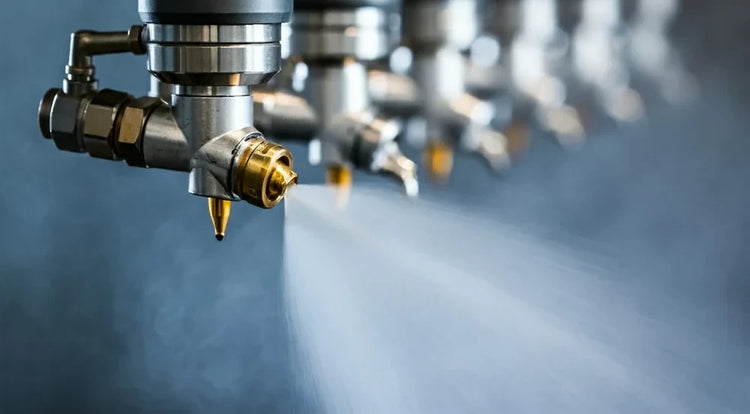
Drohnen-Sprühdüsen für Präzisionslandwirtschaft und UAV-Anwendungen
Präzisionsdüsen für Drohnensprühanwendungen, optimiert für Tröpfchenkontrolle, Abdeckung und Driftreduzierung.


Guide
Drohnendüsen: Overview & Selection Tips
Drohnensprühdüsen für Präzisionslandwirtschaft & industrielle UAV-Anwendungen
Optimieren Sie die Drohnen-Sprühanwendung mit der richtigen Düse
Performance characteristics, specifications, and selection guidance
Available SKUs
1029 Products
Quality
Industrial Grade
Shipping
Ships Fast
Wie Drohnensprühdüsen funktionieren
Tröpfchengröße, Spritzmuster und Druck bestimmen die Leistung in der Luft
Betriebskontext
Drohnensprühsysteme basieren auf leichten Niederdruckdüsenkonstruktionen, die Flüssigkeiten in kontrollierte Tröpfchengrößen zerstäuben und dabei eine gleichmäßige Abdeckung über einen Zielbereich aufrechterhalten können.
Tröpfchenbildung
Düsen steuern die Tröpfchengröße durch interne Geometrie und Druck. Fein- und Hohlkegeldüsen erzeugen kleinere Tröpfchen für eine bessere Abdeckung, während Flachstrahldüsen gleichmäßigere Verteilungsmuster bieten.
Abdeckung & Effizienz
Optimierte Sprühwinkel und Durchflussraten gewährleisten eine gleichmäßige Verteilung über Pflanzen oder Oberflächen, wodurch der Chemikalienverbrauch minimiert und die Anwendungseffizienz maximiert wird.
Drohnensprühanwendungen
Common uses and application-specific guidance
Pflanzenschutz
Ausbringung von Pestiziden, Herbiziden und Fungiziden mit kontrollierter Tröpfchengröße für eine gleichmäßige Pflanzenbedeckung und reduzierten Chemikalienabfall.
Düngung
Gleichmäßige Ausbringung von Flüssigdüngern auf Feldern mittels Präzisionssprühmustern, die für die Anwendung aus der Luft entwickelt wurden.
Schädlingsbekämpfung
Unterstützung der Mückenbekämpfung und des gezielten Schädlingsmanagements mit feiner Tröpfchenverteilung und gleichmäßiger Abdeckung.
Staubbindung
Kontrolle von Feinstaub in Bergbau-, Bau- und Industrieumgebungen durch den Einsatz von Feinstnebel-Sprühsystemen.
Beschichtung & Oberflächenbehandlung
Aufbringen von Beschichtungen oder Behandlungslösungen in industriellen Anwendungen aus der Luft, die eine kontrollierte Sprühverteilung erfordern.
Branchen, die Drohnen-Sprühdüsen verwenden
Entwickelt für moderne Luftsprühsysteme
Frequently Asked Questions
common questions about drohnendüsen
What nozzle is best for drone spraying?
Feinsprüh- und Hohlkegeldüsen sind in der Regel am besten geeignet, da sie kleinere Tröpfchen erzeugen und eine bessere Abdeckung bieten.
What droplet size is ideal for drone spraying?
Typischerweise 50–200 Mikrometer, je nach Anwendung. Kleinere Tröpfchen verbessern die Abdeckung, erhöhen aber die Abdrift.
How do you reduce drift in drone spraying?
Verwenden Sie größere Tröpfchengrößen, niedrigeren Druck und abdriftmindernde Düsenkonstruktionen wie kontrollierte Flachstrahl- oder Luftzerstäubungsdüsen.
Are hollow cone nozzles good for drones?
Ja, sie bieten eine ausgezeichnete Abdeckung und werden häufig für die Pestizid- und Pflanzenbesprühung eingesetzt.
What is the difference between flat spray and cone spray for drones?
Flachstrahldüsen bieten eine gleichmäßige Verteilung, während Kegelstrahldüsen eine bessere Penetration in dichte Kulturen ermöglichen.
Can I use standard agricultural nozzles on drones?
Einige können verwendet werden, aber Drohnensysteme erfordern leichte, druckoptimierte Düsen.
What pressure do drone spray nozzles operate at?
Typischerweise niedriger bis moderater Druck, abhängig vom Design des UAV-Systems.
Do drone nozzles require strainers?
Ja, Siebe verhindern Verstopfungen, insbesondere bei Feinsprühdüsen.
What materials are best for drone spray nozzles?
Edelstahl wird wegen seiner Haltbarkeit und chemischen Beständigkeit bevorzugt.
How do I choose the right flow rate?
Die Durchflussmenge sollte der Drohnengeschwindigkeit, Flughöhe und der gewünschten Aufwandmenge pro Hektar entsprechen.
Need Help Selecting the Right Nozzle?
Our engineering team is ready to help you find the perfect spray solution for your application.