

Verhinderung des thermischen Durchgehens:
Was Garden Grove jedem Betriebsleiter lehrt
Am 21. Mai 2026 evakuierten Zehntausende Bewohner von Orange County, während Notfallteams eine außer Kontrolle geratene chemische Reaktion in einer Luft- und Raumfahrtproduktionsanlage bekämpften. Die Grenze zwischen Eindämmung und Katastrophe lag bei einem einzigen System: kontinuierlicher externer Wassersprühung. Hier ist die Technik dahinter – und was Industrieunternehmen entwerfen müssen, bevor sie es jemals brauchen.
GKN Aerospace Transparency Systems, 21. Mai 2026
Ein 34.000 Gallonen fassender Lagertank, der etwa 7.000 Gallonen Methylmethacrylat (MMA) enthielt – ein hochflüchtiges, brennbares Monomer, das bei der Herstellung von Flugzeug-Acrylkunststoffen verwendet wird – begann eine spontane Selbstpolymerisation. Da die internen Ablassventile und Chemikalieninhibitor-Einspritzöffnungen des Tanks durch die sich verdickende Reaktionsmasse unbrauchbar wurden, war externes Wassersprühen die einzige den Rettungskräften zur Verfügung stehende Methode zur Temperaturkontrolle.
Der Vorfall löste die Evakuierung von über 30.000 Bewohnern in mehreren Postleitzahlbereichen von Orange County aus, während Hazmat-Teams tagelang kontinuierliche, unbemannte Sprühmitigation aufrechterhielten. Es ist eines der klarsten jüngsten Beispiele dafür, dass die externe Sprühanlage einer Einrichtung ihre letzte Verteidigungslinie wurde.
Die Physik des thermischen Durchgehens
Um zu verstehen, warum ein industrielles Sprühsystem für einen chemischen Notfall relevant ist, muss man zunächst den Fehlermechanismus verstehen, den es bekämpft. Methylmethacrylat ist ein Monomer – ein kleines, reaktionsfähiges Molekül, das unter den richtigen Bedingungen zu Poly(methylmethacrylat) polymerisiert, besser bekannt als Acrylglas oder Plexiglas. Diese Polymerisationsreaktion ist exotherm: Sie setzt bei ihrem Verlauf Wärme frei.
Unter normalen Lagerbedingungen wird MMA mit einem Hydrochinon-basierten Inhibitor stabilisiert, der eine spontane Polymerisation verhindert. Wenn der Inhibitor erschöpft ist – durch längere Lagerung, Inhibitorverbrauch durch Sauerstoffmangel oder erhöhte Temperaturen – kann das ungehemmte Monomer mit der Selbstpolymerisation beginnen. Dies löst die Kettenreaktion aus, die Verfahrensingenieure als thermisches Durchgehen bezeichnen:
Die Geschwindigkeit einer chemischen Reaktion steigt nicht linear mit der Temperatur – sie steigt exponentiell, gemäß der Arrhenius-Gleichung:
k = A × e^(−Ea/RT) wobei k = Reaktionsgeschwindigkeit, Ea = Aktivierungsenergie, T = absolute Temperatur (K)Für die meisten exothermen Reaktionen, einschließlich der Polymerisation, gilt eine Faustregel: Die Reaktionsgeschwindigkeit verdoppelt sich ungefähr alle 10 °C Temperaturerhöhung. Das bedeutet, dass, sobald ein Durchgehereignis beginnt, jeder Grad Temperaturanstieg den nächsten Temperaturanstieg stärker beschleunigt als den vorherigen. Eine Reaktion, die bei 60 °C selbständig abläuft, wird bei 80 °C nicht einfach "etwas schlimmer" – sie wird 4-mal schneller. Bei 100 °C läuft sie mit der 16-fachen Ausgangsgeschwindigkeit.
Die praktische Implikation ist entscheidend: Je früher Sie mit externer Kühlung eingreifen, desto weniger Kühlleistung benötigen Sie. Ein Sprühsystem, das die Tankoberfläche unter 50 °C halten kann, verhindert, dass die Reaktion jemals den Durchgehbereich erreicht. Ein System, das in Betrieb genommen wird, nachdem die Reaktion bereits 80 °C erreicht hat, bekämpft eine exponentiell größere Wärmeerzeugung mit demselben Wasserdurchfluss.
Die zwei Funktionen von Notfall-Sprühsystemen
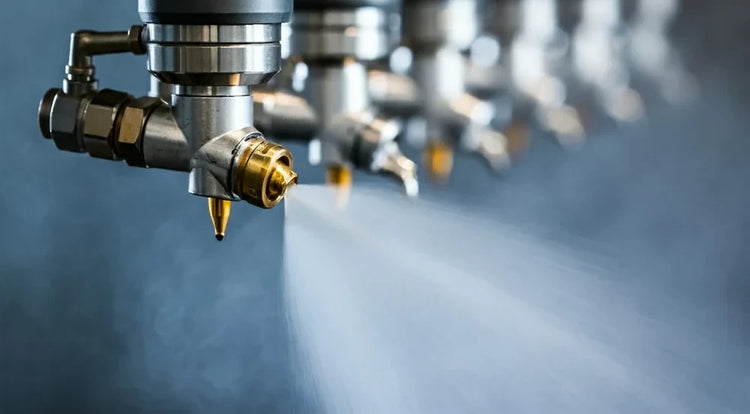
Wenn ein Chemikalienlagertank BLEVE-gefährdet ist – Boiling Liquid Expanding Vapor Explosion (Siedende Flüssigkeit expandierender Dampfexplosion) – setzen Feuerwehren und automatisierte Systeme Sprühdüsen ein, um die Gefahr zu steuern. Diese Systeme erfüllen zwei unterschiedliche und gleichermaßen kritische Funktionen, die unterschiedliche Düsentypen, unterschiedliche Tröpfchengrößen und unterschiedliche Durchflussratenspezifikationen erfordern. Sie bei der Systemkonstruktion zu vermischen, ist ein häufiger und gefährlicher Fehler.
Funktion 1 — Evaporative Oberflächenkühlung
Tanktemperatur von außen nach innen regelnFunktion 2 — Dampfvorhang-Minimierung
Abfang von giftigen oder brennbaren DämpfenWarum handelsübliche Düsen für Notfallsysteme unzureichend sind
Der Vorfall in Garden Grove verdeutlicht eine Realität, mit der Betriebsleiter selten konfrontiert werden, bis eine Krise die Frage aufwirft: Das Düsensystem, das Ihren Produktionsprozess steuert, ist nicht dasselbe System, das Ihre Anlage in einem Notfall rettet. Notfall-Flut- und Dampfunterdrückungssysteme arbeiten unter Bedingungen, für die Katalogstandarddüsen nicht ausgelegt sind, um zuverlässig zu überleben oder zu funktionieren.
Materialintegrität bei chemischem Angriff
Während eines Chemieunfalls arbeitet das externe Sprühsystem in einer Atmosphäre, die saure Dämpfe, reaktive Monomerabgase und überhitzten Dampf enthält. Messingdüsen sind für sauberes Wasser zur Brandbekämpfung geeignet, werden aber durch chlorierte Kohlenwasserstoffe und viele organische Monomere schnell angegriffen. 316L-Edelstahl bietet eine ausreichende Korrosionsbeständigkeit in einem breiten Spektrum chemischer Notfallszenarien. Für Anlagen, die hochaggressive Chemikalien – starke Säuren, Oxidationsmittel oder halogenierte Lösungsmittel – lagern, sollten Hastelloy C-276-Düsenkörper für den der Quelle am nächsten liegenden Dampfvorhangring spezifiziert werden, wo die Dampfkonzentration und Reaktivität am höchsten sind.
Verstopfungsresistenz, wenn es am wichtigsten ist
Notfall-Deluge-Systeme beziehen ihr Wasser oft aus speziellen Brandwasserreserven, sekundären Kühlwassersystemen oder Rohwasserquellen, die nicht den gleichen Sauberkeitsstandards wie Prozesswasser entsprechen. Ein System, das bei wöchentlichen Testaktivierungen mit sauberem Stadtwasser perfekt funktioniert, kann innerhalb von Minuten verstopfen, wenn es aus dem Notfalltank aktiviert wird, der seit Monaten nicht gespült wurde. Die Spezifikation von Düsen mit großer Öffnung und maximalem freien Durchgang – demselben Konstruktionsprinzip, das auch beim Kokslöschen verwendet wird – stellt sicher, dass das System seinen ersten echten Test im denkbar ungünstigsten Moment nicht versagt.
Die internen Ablass- und Chemikalieninhibitor-Einspritzventile des Garden Grove MMA-Tanks wurden vollständig funktionsunfähig, da die polymerisierende Masse die Ventilschäfte und Dichtungen verdickte und verklebte. Dies ist kein freakiges Ereignis – es ist ein vorhersehbarer Fehlermodus für jeden Lagerbehälter, der ein reaktives Material enthält, das bei seiner Betriebstemperatur verfestigen, polymerisieren oder ausfällen kann. Jede Anlage, die reaktive Monomere, polymerisierbare Chemikalien oder viskose reaktive Zwischenprodukte lagert, muss das externe Sprühsystem als die primäre Notfall-Eindämmung behandeln – nicht als Backup für interne Systeme, die genau dann versagen können, wenn sie am dringendsten benötigt werden.
Vorhersehbare Leistung bei Druckschwankungen
Ein Notfall-Flutsystem kann monate- oder jahrelang im Ruhezustand verharren und dann bei einem Ereignis in Betrieb genommen werden, das gleichzeitig die Wasserversorgung der Anlage belastet – Feuerwehrautos, die aus demselben Hydrantensystem Wasser entnehmen, Prozesskühlwasser, das für den Notfall umgeleitet wird, oder ein Pumpenausfall, der den Kopfdruck reduziert. Eine Düse, die für einen Auslegungsdruck von 3 bar spezifiziert ist, liefert ihren Nennabdeckungsbereich und ihre Nennflussrate nur bei 3 bar. Bei 1,5 bar – was bei einem Multisystem-Notfall durchaus plausibel ist – verringert sich der Abdeckungsradius, die Flussrate sinkt und trockene Stellen treten auf der Behälteroberfläche auf. Die Spezifikationen für Notfallsystemdüsen sollten eine minimale akzeptable Leistung bei 50 % des Auslegungsdrucks enthalten, wobei die Anordnung so konzipiert sein sollte, dass sie auch unter diesen reduzierten Druckbedingungen eine ausreichende Abdeckung gewährleistet.
Gestaltung des redundanten externen Sprühpakets
Die technischen Prinzipien für ein effektives Notfallkühl- und Dampfunterdrückungssystem sind in NFPA 15 (Standard für fest installierte Wassersprühsysteme zum Brandschutz) und API RP 2030 (Anwendung von fest installierten Wassersprühsystemen zum Brandschutz in der Erdöl- und Petrochemieindustrie) gut etabliert. Die Herausforderung besteht nicht darin, zu wissen, dass diese Standards existieren, sondern sie mit der Spezifität anzuwenden, die ein konformes System zu einem effektiven macht.
- Zuerst die Berechnung der Behälteroberfläche. Berechnen Sie die gesamte äußere Oberfläche jedes Behälters in Ihrer Notfallsprühzone. Das Design des Deluge-Rings beginnt mit dieser Zahl, nicht mit einer „Standard“-Annahme für den Düsenabstand. Ein Ring, der für einen Behälter mit 5 Metern Durchmesser eine ausreichende Abdeckung bietet, kann bei gleicher Düsenanordnung erhebliche Trockenzonen auf einem Behälter mit 12 Metern Durchmesser hinterlassen.
- Separate Flut- und Dampfvorhangringe. Der Düsentyp, die Tröpfchengröße und die Platzierungshöhe, die die Benetzung der Behälteroberfläche optimieren, unterscheiden sich von denen, die die Dampfvorhangdichte am Umfang optimieren. Entwerfen Sie zwei separate Systeme anstelle eines Hybridsystems, das beide Funktionen unterdurchschnittlich erfüllt.
- Spezifizieren Sie Düsen für Ihre tatsächliche Wasserversorgung, nicht für die Auslegungsversorgung. Testen Sie den Druck und die Durchflussrate der Notwasserversorgung am Düsenringkopf unter simulierten Notfallbedingungen – mit gleichzeitig aktiven anderen Systemen. Dimensionieren Sie die Düsenauslässe für den minimal gelieferten Versorgungsdruck, nicht für die Nennleistung der Pumpe.
- Große Freistromdüsen für Löschwasser und Notfallreserven. Spezifizieren Sie einen freien Düsendurchgang von mindestens 15–25 mm für Notfall-Deluge-Positionen. Dies eliminiert den Ausfallmodus „Verstopfen bei Aktivierung“ durch Sedimente in Notwasserreserven, ohne eine Feinfiltration vor dem Deluge-Ventil zu erfordern, die selbst verstopfen oder ausfallen könnte.
- 316L SS als Mindestkörpermaterial; Hastelloy C-276 an dampfquellennahen Positionen. Das Notfallsystem muss die gleiche chemische Atmosphäre überstehen, die den Notfall verursacht hat. Passen Sie das Düsenkörpermaterial an die schlimmste Dampfexposition an, die in Ihrem spezifischen Chemikalienlagerszenario erwartet wird.
- Entwicklung für n-1 Düsenzuverlässigkeit. Der Sprühring muss eine ausreichende Abdeckung gewährleisten, auch wenn mindestens eine Düse in jedem Sektor außer Betrieb ist. Ein Ring, der für eine exakte Abdeckung bei voller Düsenanzahl ausgelegt ist, besitzt keine Fehlertoleranz für die Düse, die zum Zeitpunkt des Aktivierungssignals teilweise blockiert sein könnte.
- Vierteljährlicher Funktionstest mit der tatsächlichen Notwasserversorgung. Testen Sie das System so, wie es verwendet wird – mit der Notversorgung, unter den Bedarfsbedingungen, die während eines Notfalls bestehen würden. Ein Test mit sauberem Prozesswasser bei Nenndruck beweist lediglich, dass die Düsen nicht physisch blockiert sind. Er beweist nicht, dass das System bei reduziertem Druck und Durchfluss der Notversorgung funktioniert.
Wichtige Erkenntnisse für Betriebsleiter und Prozesssicherheitsingenieure
Was der Garden-Grove-Vorfall an der Notfall-Sprühsystem-Konstruktion ändert
- 1Interne Ventilsysteme für die Lagerung reaktiver Chemikalien können genau in dem Moment versagen, in dem sie benötigt werden. Externe Sprühsysteme sind keine Sicherung – sie können die einzige Verteidigungslinie sein. Entwerfen Sie diese zuerst.
- 2Thermische Durchbrüche folgen einer exponentiellen Beschleunigungskurve. Je früher Sie mit der Kühlung beginnen, desto geringer ist die Kühlleistung, die physikalisch erforderlich ist. Frühe Aktivierungstemperatur-Sollwerte sind nicht konservativ – sie sind mathematisch korrekt.
- 3Flutkühlung und Dampfschleierunterdrückung sind unterschiedliche sprühtechnische Probleme, die unterschiedliche Düsenspezifikationen erfordern. Eine Einzelsystemauslegung, die beide Funktionen versucht, erfüllt in der Regel keine von beiden ausreichend.
- 4Düsenmaterial, freier Durchgang und Abdeckung bei reduziertem Druck sind die drei Spezifikationen, die bestimmen, ob das System an dem entscheidenden Tag funktioniert. Die Katalogauswahl für Nennbedingungen ist für die Auslegung von Notfallsystemen nicht ausreichend.
- 5Ein Sprühsystem, das nur mit der sauberen Prozessversorgung bei Nenndruck getestet wird, wurde nicht getestet. Eine Funktionsprüfung unter Notversorgungsbedingungen bei minimalem Auslegungsdruck ist der einzige Test, der die reale Leistung validiert.
Die Einsatzkräfte, die den Vorfall in Garden Grove bearbeiteten, verbrachten Tage damit, eine externe Wasserminderung an einem Behälter aufrechtzuerhalten, der jegliche interne Kontrollfähigkeit verloren hatte. Ihre Fähigkeit dazu hing vollständig von der bereits am Behälter installierten Hardware ab – Hardware, die spezifiziert, installiert und getestet wurde, bevor jemand wusste, dass sie jemals bei maximalem Bedarf benötigt werden würde. Das ist, was Prozesssicherheitstechnik in der Praxis bedeutet.
Warten Sie nicht auf eine Systemwarnung, um Ihre externe Sprühsystemabdeckung zu prüfen.
NozzlePro entwickelt Hochleistungs-Flut- und Dampfunterdrückungssysteme für die Chemikalienlagerung, den Umgang mit reaktiven Materialien und die anlagenweite Notfallbehälterung. Kontaktieren Sie uns mit Ihren Behälterabmessungen, Ihrem Chemikalienbestand und Ihren aktuellen Systemspezifikationen.


