
108 Products


NPAF Series — Industrial Spray Performance
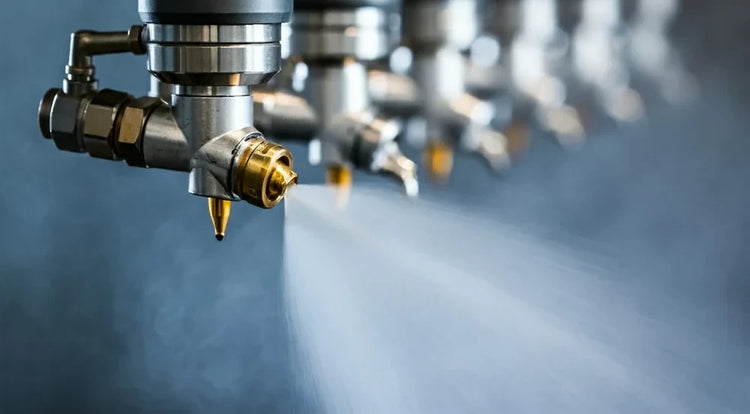
The NPAF series delivers consistent, repeatable spray performance across a wide range of industrial flow rates, pressures, and coverage requirements.
Spray Pattern
Hollow Cone
Available SKUs
108 Products
Quality
Industrial Grade
Shipping
Ships Fast
How the NPAF Series Works
Precision-engineered orifice geometry in the NPAF series produces reliable, uniform spray patterns across its full operating pressure range.
Operating Principle
NPAF supports industrial spray performance where engineers need the right balance of coverage, pressure, and application fit.
What to Compare
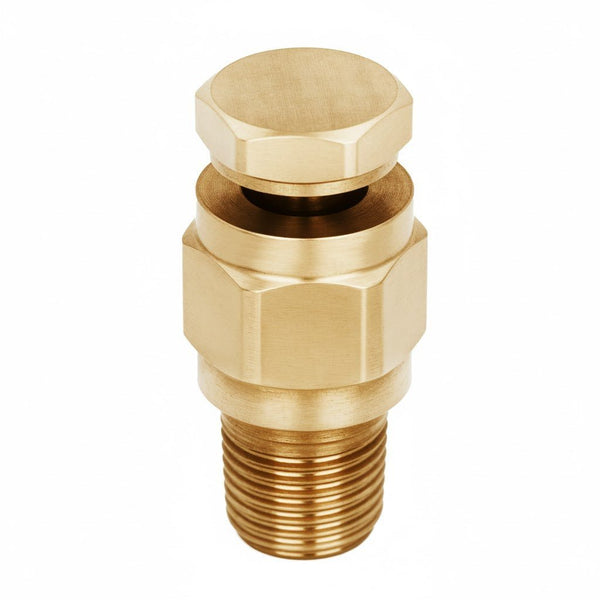
Compare hollow cone spray pattern, capacity, material options such as brass, 303/304 stainless steel, and 316L stainless steel, and connection details such as 3/8 in., 1/4 in., and 1/8 in. with NPT connections where available.
Installation & Maintenance
Start with the process result you need, then confirm mounting distance, pressure at the nozzle, fluid compatibility, and how easily the part can be serviced.
NPAF Series Application Areas
The NPAF Nozzle series performs reliably in cooling, cleaning, coating, rinsing, and chemical application across industrial environments.
Cooling & Quenching
Control part temperature and process heat with spray coverage sized for the required cooling rate and heat removal.
Humidification & Conditioning
Produce droplets suited to humidity control, evaporative conditioning, and air treatment tasks.
Dust & Pollution Control
Capture airborne dust, cool gas streams, and suppress fugitive emissions with the right droplet size and coverage.
Disinfection & Sanitization
Apply sanitizers and rinse stages with controlled coverage for hygienic washdown and surface treatment.
Selecting the Right NPAF Nozzle
Choose the correct orifice size, spray angle, and material option within the NPAF series to match your specific flow rate and process requirements.
Flow Rate & Pressure
Start with the flow rate you need at the operating pressure available at the nozzle or assembly.
Spray Pattern & Coverage
Choose the hollow cone spray pattern that best matches the coverage width, impact, atomization, or washdown result your process requires.
Materials & Connections
Select wetted materials compatible with the fluid, temperature, and wear conditions; common options may include brass, 303/304 stainless steel, and 316L stainless steel; common sizes include 3/8 in., 1/4 in., and 1/8 in. with NPT connections where available.
Maintenance & Reliability
Consider clogging risk, wear life, ease of change-out, and the maintenance routine your process can realistically support.
Industries Using the NPAF Series
The NPAF nozzle series serves manufacturing, food processing, chemical, and general industrial applications across multiple sectors.
NPAF Series FAQ
Answers to common questions about NPAF series specifications, material options, ordering, and technical support.
What is the NPAF Hollow Cone Nozzle collection used for?
The NPAF Hollow Cone Nozzle collection is commonly used for Cooling & Quenching, Humidification & Conditioning, Dust & Pollution Control, and Disinfection & Sanitization.
How do I choose the right NPAF Hollow Cone Nozzle?
Start with the required process result, then define flow rate, operating pressure, coverage target, material compatibility, and maintenance needs.
What spray pattern should I compare for NPAF Hollow Cone Nozzle?
The best hollow cone spray pattern depends on the geometry you need to cover, the spray impact required, and the pressure available at the nozzle.
What materials are available for NPAF Hollow Cone Nozzle?
Common material options may include brass, 303/304 stainless steel, and 316L stainless steel. Always match materials to fluid chemistry, temperature, and wear conditions.
What inlet sizes and connections are common for NPAF Hollow Cone Nozzle?
Common options vary by series, but many selections compare sizes such as 3/8 in., 1/4 in., and 1/8 in. with NPT connections where available.
How do flow rate and pressure affect NPAF Hollow Cone Nozzle selection?
Flow rate and pressure control coverage, droplet size, impact, and chemical or water usage, so they should be defined before choosing a series.
Which applications are common for NPAF Hollow Cone Nozzle?
Common applications include Cooling & Quenching, Humidification & Conditioning, Dust & Pollution Control, and Disinfection & Sanitization.
Which industries commonly use NPAF Hollow Cone Nozzle?
NPAF Hollow Cone Nozzle is frequently selected in Automotive, Building Materials, Chemical Processing, and Energy & Power Generation.
How can I reduce clogging, wear, or maintenance issues with NPAF Hollow Cone Nozzle?
Choose the correct material and orifice design for the fluid, verify filtration where needed, and set a maintenance routine based on actual service conditions.
When should I contact NozzlePro about NPAF Hollow Cone Nozzle?
Reach out when you need help balancing process performance, pressure, chemistry, maintenance access, or multiple candidate series.
Related Nozzle Series
Explore related NozzlePro Nozzle series with similar spray patterns, flow ranges, or material options for your application.

NPSJ
Compare NPSJ by spray performance, material compatibility, connection size, and application fit.

NPBD
The NozzlePro NPBD Series features inline hollow cone spray nozzles with a tangential liquid inlet that creates a circular, ring-shaped spray pattern with liquid concentrated around the pattern’s outer edge. Its large free-passage design supports dependable liquid flow and helps reduce maintenance concerns in demanding industrial spray applications. Standard-angle NPBD nozzles and wide-angle NPBD-W models are available to accommodate different coverage, flow-rate, and operating-pressure requirements. Choose from brass, 303/304 stainless steel, and 316L stainless steel constructions to match the fluid, operating environment, and corrosion-resistance requirements of your system. Use the filters below to compare capacity, inlet connection, material, spray angle, and flow performance across the NPBD hollow cone nozzle series.

NPAX
Compare NPAX by spray performance, material compatibility, connection size, and application fit.

NPBX
Compare NPBX by spray performance, material compatibility, connection size, and application fit.

NPEW
Compare NPEW by spray performance, material compatibility, connection size, and application fit.
Need Help Selecting the Right Nozzle?
Our engineering team is ready to help you find the perfect spray solution for your application.