
Limpieza de Equipos y
Componentes Farmacéuticos
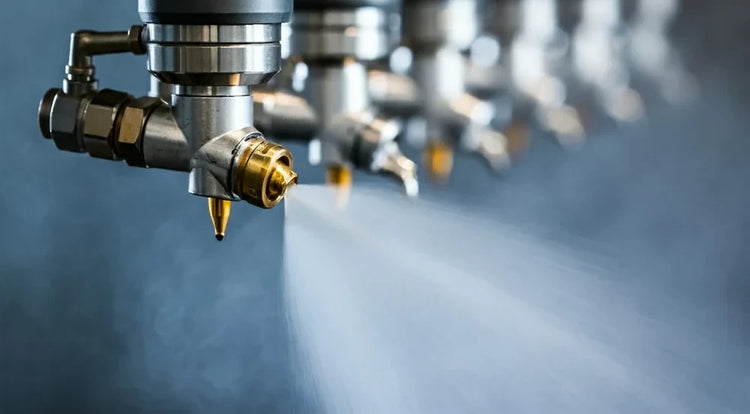
Entre cada lote de producto y en cada ciclo de mantenimiento programado, los equipos de fabricación farmacéutica generan una carga de trabajo sustancial de lavado de piezas. Las piezas de cambio, las herramientas, los contenedores de acero inoxidable, los contenedores IBC, los contenedores de transferencia y los componentes de las cintas transportadoras requieren una limpieza sistemática antes de que puedan volver a funcionar. Las boquillas dentro de su equipo de lavado de piezas — los brazos pulverizadores, los chorros fijos y los cabezales giratorios — determinan si cada superficie de cada pieza es contactada por la solución de limpieza con un flujo suficiente para eliminar los residuos del producto. NozzlePro suministra boquillas pulverizadoras duraderas y bolas pulverizadoras para cabinas de lavado de piezas, lavadoras de túnel, estaciones de lavado manual y sistemas de limpieza de IBC en instalaciones farmacéuticas y biotecnológicas.
El lavado de piezas en una instalación farmacéutica no es solo una tarea de mantenimiento, sino que forma parte del proceso de limpieza que protege la calidad del producto en el siguiente lote. Las piezas de cambio que no se limpian a fondo arrastran residuos del producto anterior al siguiente lote. Los contenedores y recipientes de transferencia que tienen residuos superficiales de la campaña anterior introducen contaminación fuera de especificación. Las boquillas dentro de su equipo de lavado de piezas deben proporcionar una cobertura uniforme y completa de cada superficie de cada pieza, llegando a canales empotrados, alrededor de geometrías complejas y en los volúmenes internos de los contenedores a los que no se puede acceder manualmente.
La boquilla pulverizadora dentro de una lavadora de piezas es un elemento de desgaste que funciona en condiciones exigentes: exposición continua a agua caliente, química alcalina o enzimática agresiva y altas tasas de ciclo. Cuando estas boquillas se desgastan, se obstruyen o se corroen, la cobertura disminuye y es posible que las piezas no se limpien adecuadamente, sin ninguna indicación visible para el operador de que el resultado de la limpieza ha cambiado. Especificar el material correcto de la boquilla para su química de limpieza y reemplazar las boquillas según un programa de mantenimiento preventivo evita este modo de falla silenciosa.
Contenedores IBC, Piezas de Cambio, Contenedores de Acero Inoxidable y Lavado de Transportadores y Carros
Limpieza de Contenedores IBC y Bidones
Bolas pulverizadoras giratorias y estáticas para el enjuague interno de contenedoresLos contenedores a granel intermedios (IBC) y los bidones utilizados en la manipulación de productos farmacéuticos a granel se limpian entre lotes de producto utilizando dispositivos pulverizadores giratorios o estáticos insertados a través de la abertura superior. Una bola pulverizadora insertada en el IBC en una lanza de suministro proporciona una solución de limpieza a todas las superficies internas — paredes, fondo y la parte inferior de los accesorios superiores — sin requerir que el personal entre en el contenedor o frote manualmente el interior. Las bolas pulverizadoras estáticas son apropiadas para IBC más pequeños con geometría interna lisa. Las bolas pulverizadoras hidráulicas giratorias proporcionan un mayor impacto en las paredes del contenedor y alcanzan zonas de sombra detrás de los accesorios de descarga inferiores y los puntales internos en formatos IBC más grandes o más complejos.
Lavado de Piezas de Cambio y Herramientas
Boquillas de lavado de piezas para herramientas de tabletas, piezas de cápsulas y piezas de cambio de llenadoLas piezas de cambio farmacéuticas — punzones y matrices de tabletas, juegos de herramientas de cápsulas, piezas de formato de máquinas de llenado y componentes de dosificación — requieren una limpieza sistemática en una cabina de lavado de piezas o en una lavadora de túnel entre cada cambio de producto. Las boquillas pulverizadoras dentro de la lavadora crean el flujo que transporta la solución de limpieza alrededor y a través de las complejas geometrías de estas piezas de precisión. La cobertura debe llegar a los orificios de las matrices empotrados, las cavidades de las puntas de los punzones y las superficies de contacto entre las piezas de cambio que se acoplan, donde los residuos del producto se acumulan bajo compresión o presiones de llenado. Una lavadora de piezas con boquillas pulverizadoras obstruidas o desgastadas puede mojar visiblemente las piezas sin lograr el impacto necesario para desalojar los residuos de tabletas comprimidas adheridas de las caras de los punzones y las paredes de los orificios de las matrices.
Contenedores de Acero Inoxidable y Recipientes de Transferencia
Bolas pulverizadoras y boquillas de colector para contenedores de productos y tolvasLos contenedores de productos de acero inoxidable, las tolvas de transferencia y los recipientes de dispensación utilizados en la manipulación de productos farmacéuticos a granel se limpian entre lotes de producto en estaciones de lavado de contenedores dedicadas equipadas con bolas pulverizadoras o colectores de boquillas fijas. El lavado de contenedores es una tarea repetitiva y de gran volumen en una instalación de alto rendimiento: los contenedores regresan de la producción a la estación de lavado varias veces por turno. El hardware de pulverización en la estación de lavado de contenedores debe proporcionar una cobertura interna completa de diversos tamaños y geometrías de contenedores sin requerir el posicionamiento manual de la lanza de pulverización por parte del operador para cada configuración de contenedor.
Lavado de Transportadores y Carros
Pulverización fija de colector para carros de productos, componentes de transportadores y equipos de transporteLos carros de productos de acero inoxidable, las secciones de cinta transportadora y los carros de transporte que entran en contacto con el producto o acceden a áreas controladas requieren una limpieza programada. En instalaciones de mayor rendimiento, los túneles de lavado de carros y transportadores dedicados con colectores de boquillas fijas proporcionan una cobertura constante y automatizada sin variabilidad del operador. El diseño del colector posiciona las boquillas por encima, por debajo y a los lados del carro o la sección del transportador a medida que se mueve a través de la zona de lavado, asegurando la cobertura de todas las superficies exteriores, incluido el chasis, los conjuntos de ruedas y las superficies de los estantes que el lavado manual a menudo no cubre.
Adaptación del Dispositivo de Pulverización al Tipo de Equipo de Lavado de Piezas
La selección del dispositivo de pulverización depende del tipo de equipo, la geometría del recipiente y si la aplicación es automatizada o manual. Aquí está el desglose práctico.
Bola Pulverizadora vs. Cabezal Pulverizador Giratorio vs. Boquilla Fija: Cuándo Usar Cada Uno
Las bolas pulverizadoras estáticas son la opción más simple y de menor mantenimiento para la limpieza interna de contenedores — sin partes móviles, sin mecanismo de rotación que se desgaste, sin motor ni accionamiento hidráulico que mantener. Son la opción correcta para contenedores con interiores lisos y sin obstrucciones y residuos de productos ligeros a moderados, donde el patrón de pulverización fijo puede contactar todas las superficies internas con un flujo adecuado. Para la mayoría de los contenedores de productos farmacéuticos de acero inoxidable, tanques de almacenamiento y IBC más pequeños con paredes lisas y geometría de fondo simple, una bola pulverizadora estática de tamaño correcto es el dispositivo adecuado.
Cuando el contenedor tiene accesorios internos — ejes de agitadores, conjuntos de descarga inferiores, soldaduras o costuras internas, o geometrías de fondo complejas — el patrón fijo de una bola pulverizadora estática deja zonas de sombra detrás de estas obstrucciones. Aquí es donde un cabezal pulverizador hidráulico giratorio, accionado por el flujo de suministro de limpieza, añade valor: los chorros giratorios barren las obstrucciones desde múltiples ángulos durante el ciclo de limpieza, contactando superficies que están permanentemente en sombra de cualquier dispositivo de patrón fijo. La desventaja es un mecanismo giratorio con sellos internos que se desgastan con el tiempo y requieren reemplazo periódico — un compromiso de mantenimiento que una bola pulverizadora estática no tiene.
Dimensionamiento de la Bola Pulverizadora: El Error Más Común en la Especificación de Lavado de Piezas
El error más común en la selección de bolas pulverizadoras para el lavado de piezas farmacéuticas es utilizar un solo tamaño de bola pulverizadora para todos los formatos de contenedores. El radio de cobertura de una bola pulverizadora — la distancia máxima desde el centro de la bola a la que el pulverizador proporciona un flujo adecuado para mojar y limpiar la pared del contenedor — es una función del patrón de orificios, la presión de suministro y el caudal. Una bola pulverizadora clasificada para contenedores de 600 mm de diámetro a una determinada presión de suministro no proporciona una cobertura adecuada para un IBC de 1.200 mm a las mismas condiciones de suministro; la velocidad del chorro a mayor distancia de la pared es insuficiente para limpiar eficazmente. Especifique el tamaño de la bola pulverizadora para cada formato de contenedor en función del diámetro interno y el radio de cobertura deseado, y confirme una presión de suministro adecuada en el punto de conexión.
- Incluya la inspección de la boquilla pulverizadora en cada evento de mantenimiento preventivo de la lavadora de piezas — los orificios de la boquilla desgastados proporcionan un caudal más bajo y un ángulo de pulverización modificado; una reducción del 20 % en el área del orificio debido a la incrustación o el desgaste reduce el impacto de la pulverización en la superficie de la pieza en más del 20 % porque la velocidad y la presión disminuyen; inspeccione y reemplace en un intervalo programado en lugar de esperar a una falla de limpieza visible
- Verifique la cobertura de la pulverización después de cualquier cambio de configuración de la lavadora — añadir una nueva posición de cesta, cambiar la geometría de carga de piezas o modificar la configuración del brazo pulverizador cambia el patrón de cobertura; confirme una cobertura adecuada con una simple prueba de indicador de pulverización en la nueva configuración antes de devolver la lavadora al servicio de producción
- Documente la especificación de la boquilla para cada posición de la lavadora como parte del registro de calificación del equipo — conocer el tamaño exacto del orificio de la boquilla, el ángulo de pulverización y el material para cada posición en la lavadora permite realizar pedidos de reemplazo con la confianza de que el reemplazo coincide exactamente con la configuración calificada
Selección del Dispositivo de Pulverización por Aplicación de Lavado de Piezas
| Aplicación | Tipo de Dispositivo | Cobertura | Consideración Clave | Material |
|---|---|---|---|---|
| Contenedor IBC, interior liso, residuos ligeros | Bola pulverizadora estática | Interna completa | Dimensionar al diámetro interno del IBC; confirmar que la presión de suministro es adecuada para el radio de cobertura en la pared del IBC | Acero inoxidable 316 |
| Contenedor IBC, residuos de producto pesado o accesorios internos | Bola de pulverización hidráulica giratoria | Interno completo, alto impacto | Mayor energía de impacto; los sellos requieren reemplazo periódico; verificar la rotación a la presión de suministro de diseño | Acero inoxidable 316, sellos de EPDM o PTFE |
| Tambor con abertura de boca | Lanza de pulverización con boquilla de punta | Punta de cono completo | El diámetro exterior de la lanza debe permitir el paso por la abertura de la boca; el ángulo de pulverización se calcula a partir del diámetro interno del tambor y la profundidad de la lanza | Acero inoxidable 316 |
| Cabina de lavado de piezas — cambio de piezas y herramientas | Boquillas de brazo de pulverización giratorias | Cobertura total de la cesta | Inspeccionar todas las boquillas del brazo en cada PM; puntas de PVDF para programas de enjuague con PAA; confirmar el tamaño del orificio vs. la presión de la bomba de la lavadora | Acero inoxidable 316 o PVDF |
| Estación de lavado de contenedores de producto | Bola de pulverización estática o giratoria | Interno completo | Lanza de altura ajustable para contenedores de diferentes tamaños; dimensionar la bola de pulverización para el formato de contenedor más grande al que se presta servicio | Acero inoxidable 316 |
| Lavadora de túnel para carros/transportadores | Colector fijo, boquillas de cono completo | Todas las superficies, superior/lados/inferior | Espaciado de boquillas del colector para cobertura superpuesta; contactar a NozzlePro para soporte en el diseño del túnel | Acero inoxidable 316, colector de acero inoxidable |
Materiales de dispositivos de pulverización para lavado de piezas
Acero inoxidable 316 para programas de limpieza alcalina y enzimática estándar. PVDF para PAA, IPA y programas de desinfectantes oxidantes. Sellos de EPDM para química alcalina, sellos de PTFE para compatibilidad con un amplio espectro de desinfectantes.
El dispositivo de pulverización adecuado para cada estación de lavado en sus instalaciones.
Díganos el tipo de recipiente, la configuración de la lavadora, la química de limpieza y la presión de suministro. NozzlePro especificará la bola de pulverización, el cabezal giratorio o la boquilla de colector adecuados para la aplicación.