
314 Products
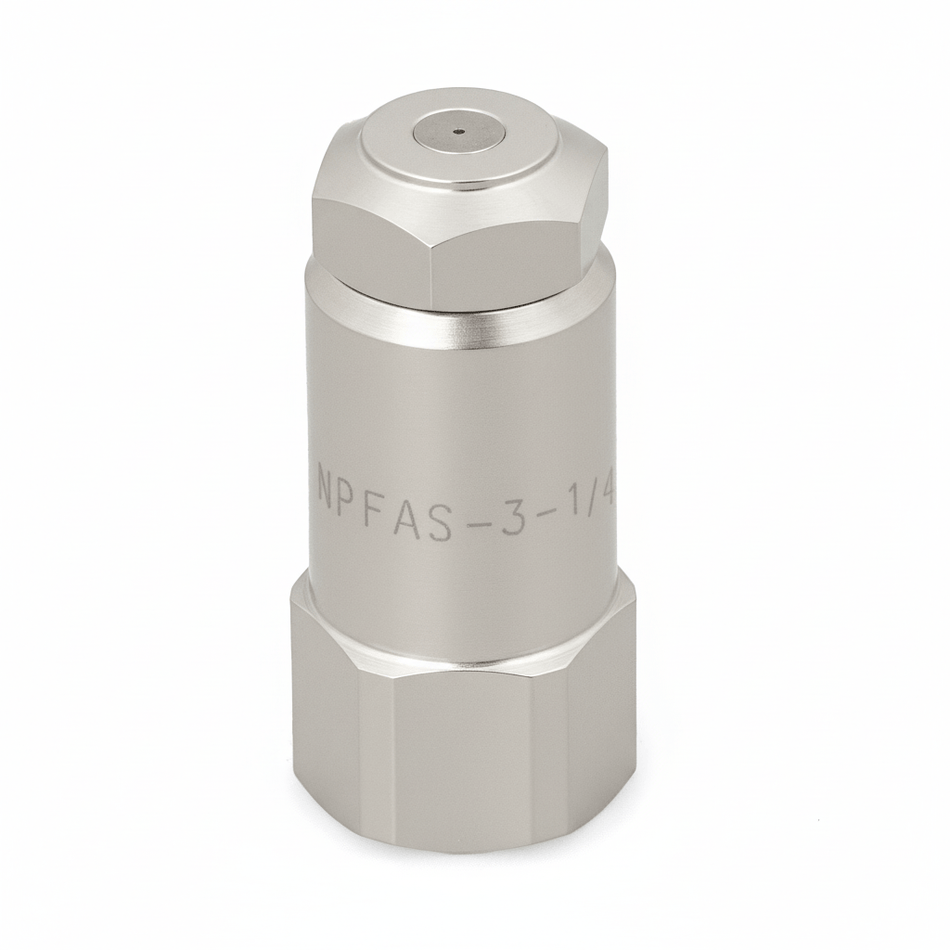
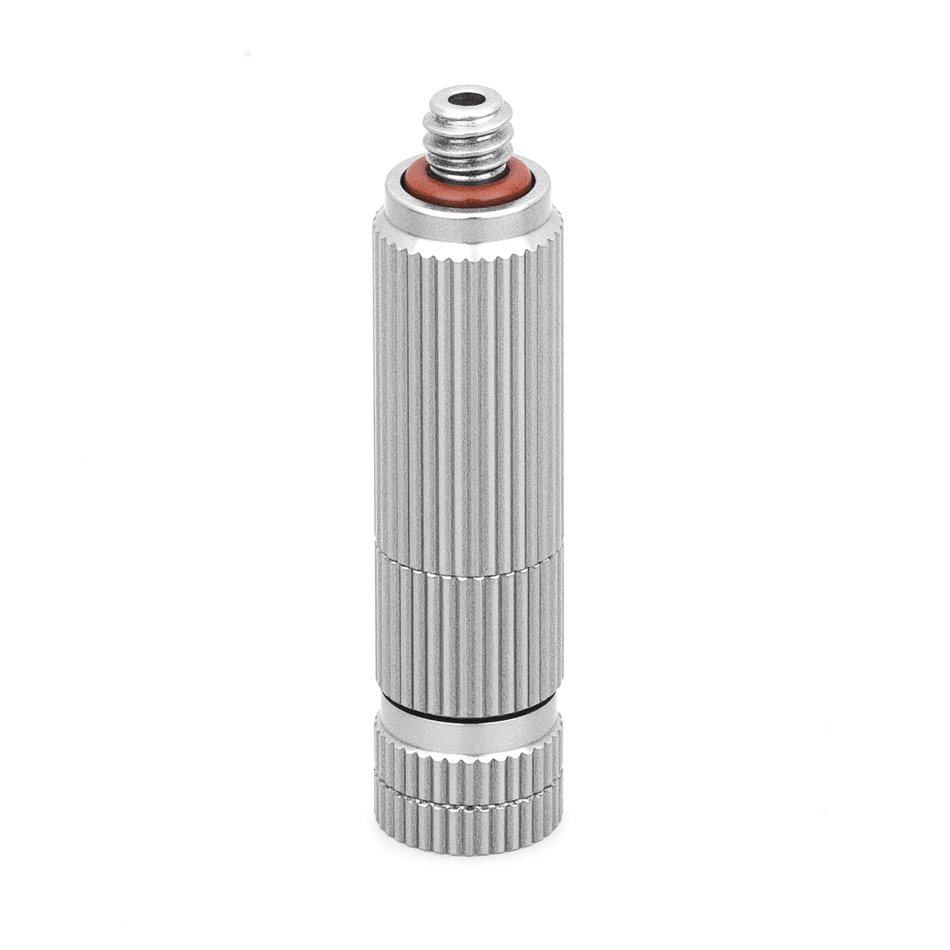

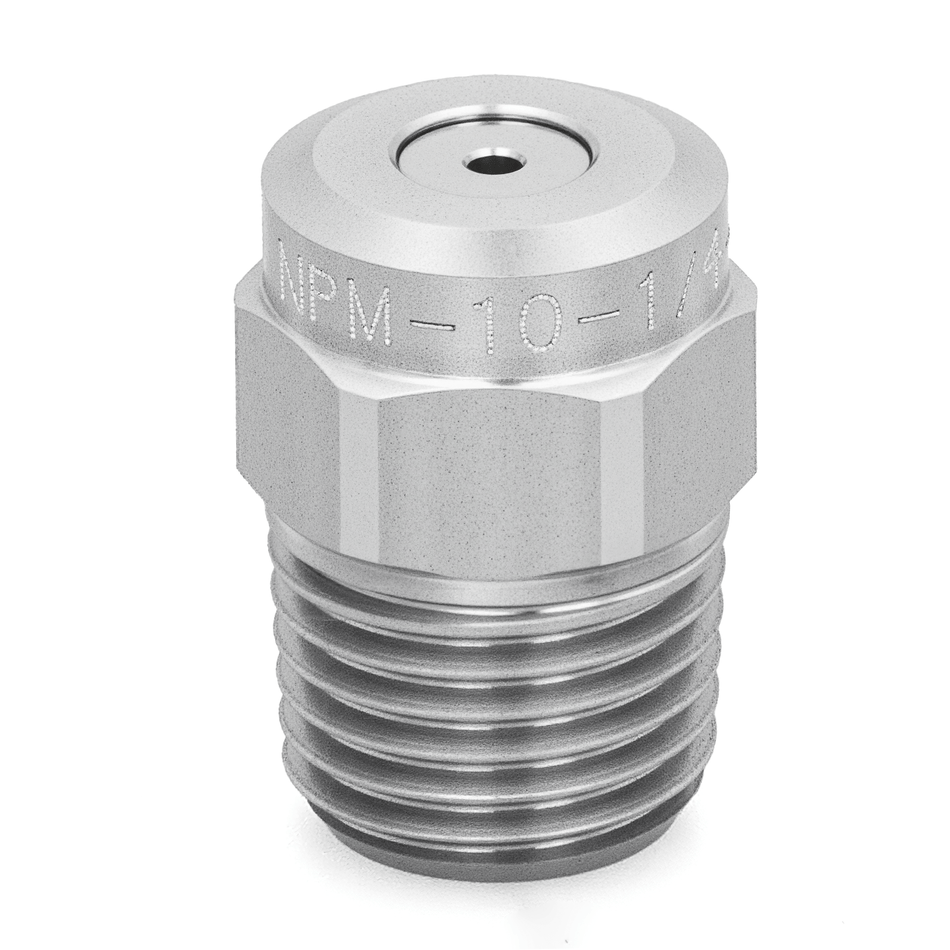
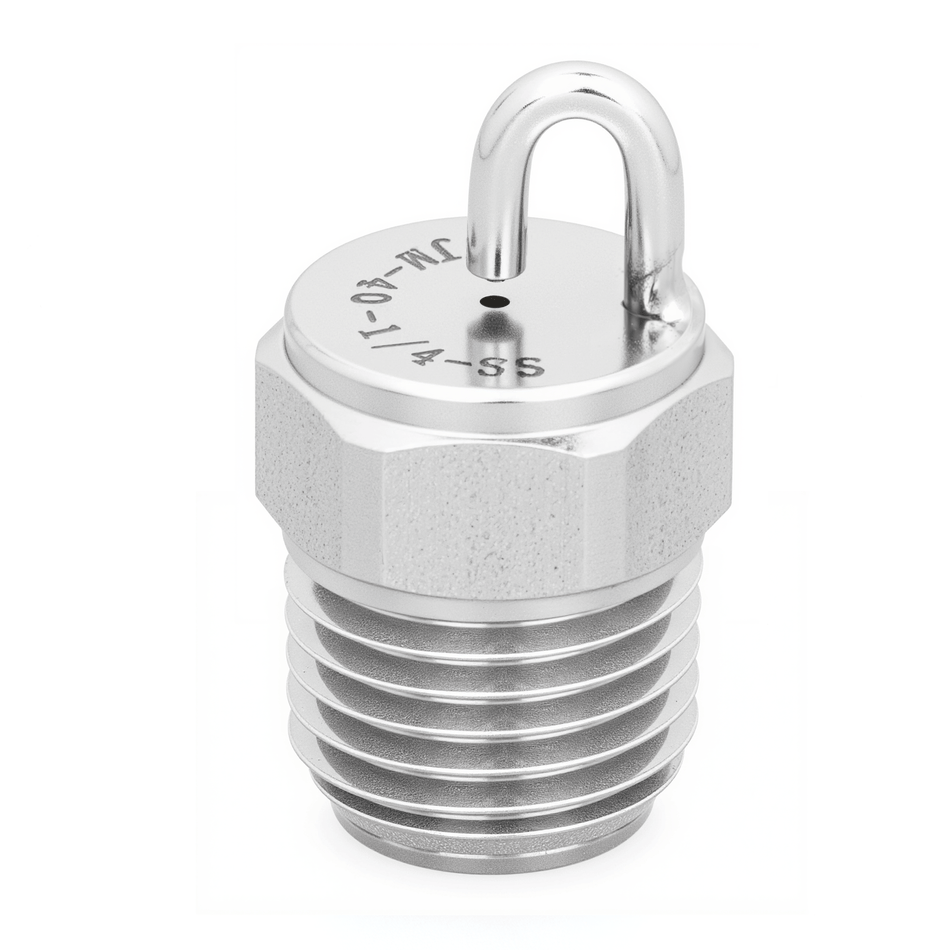
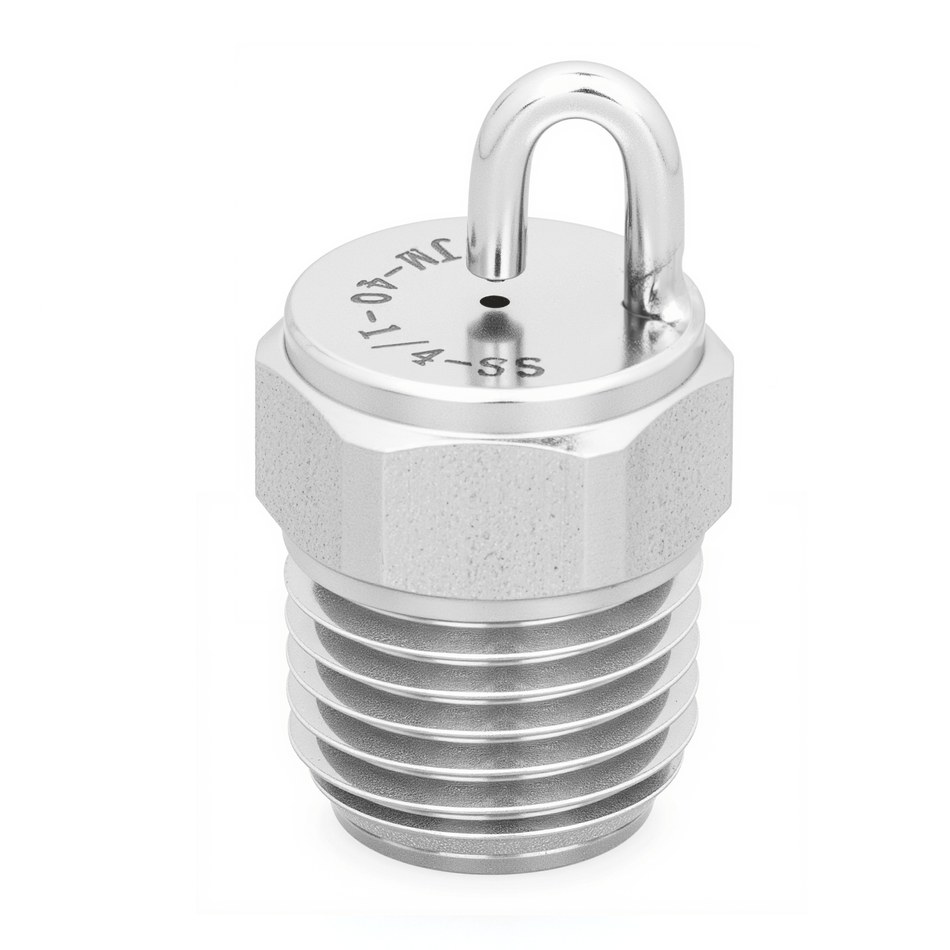


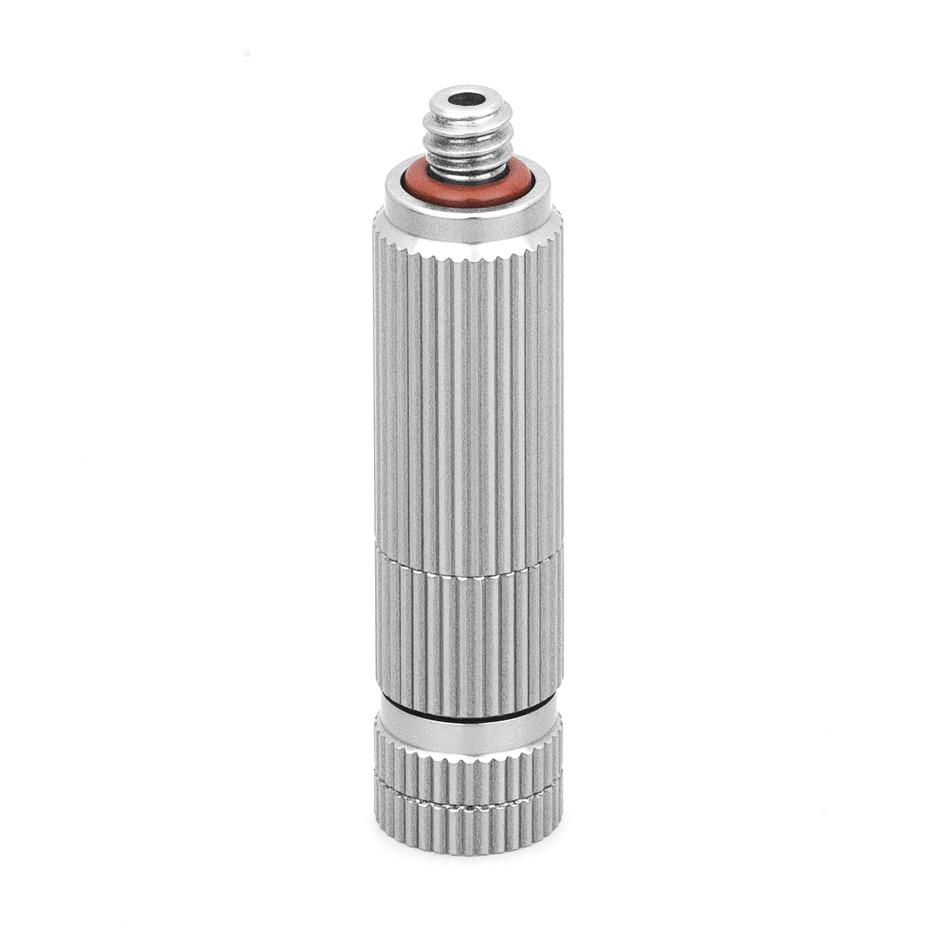
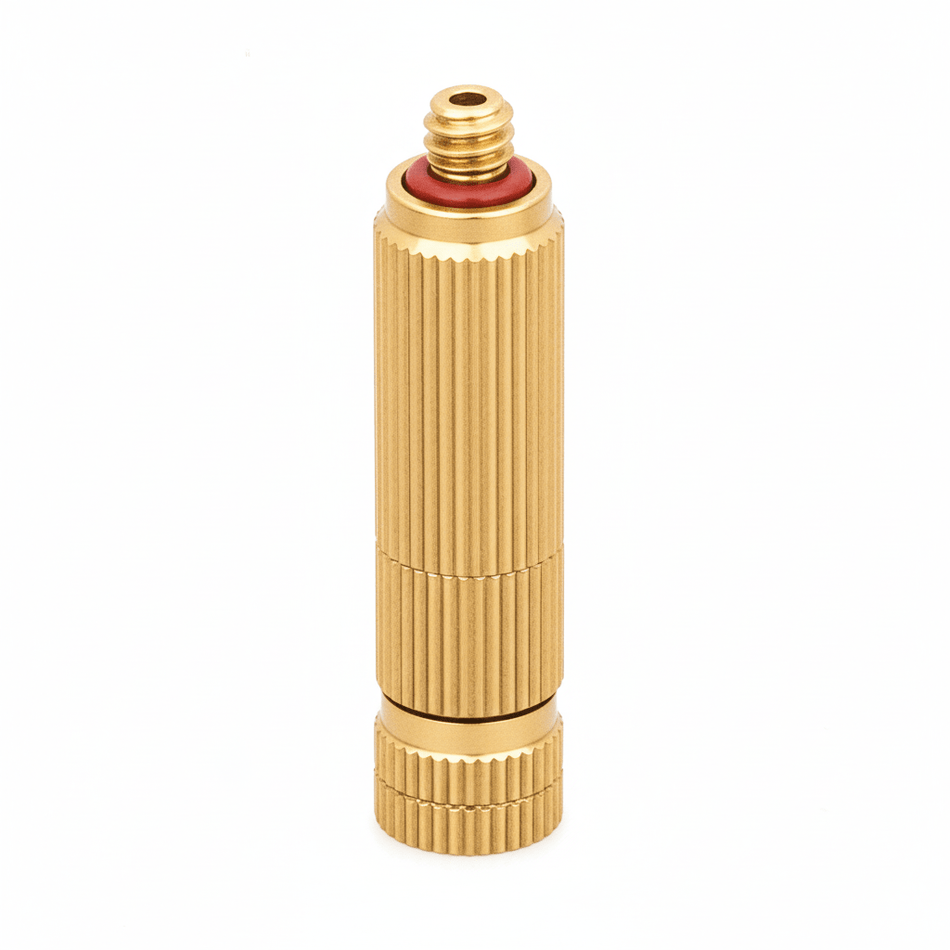
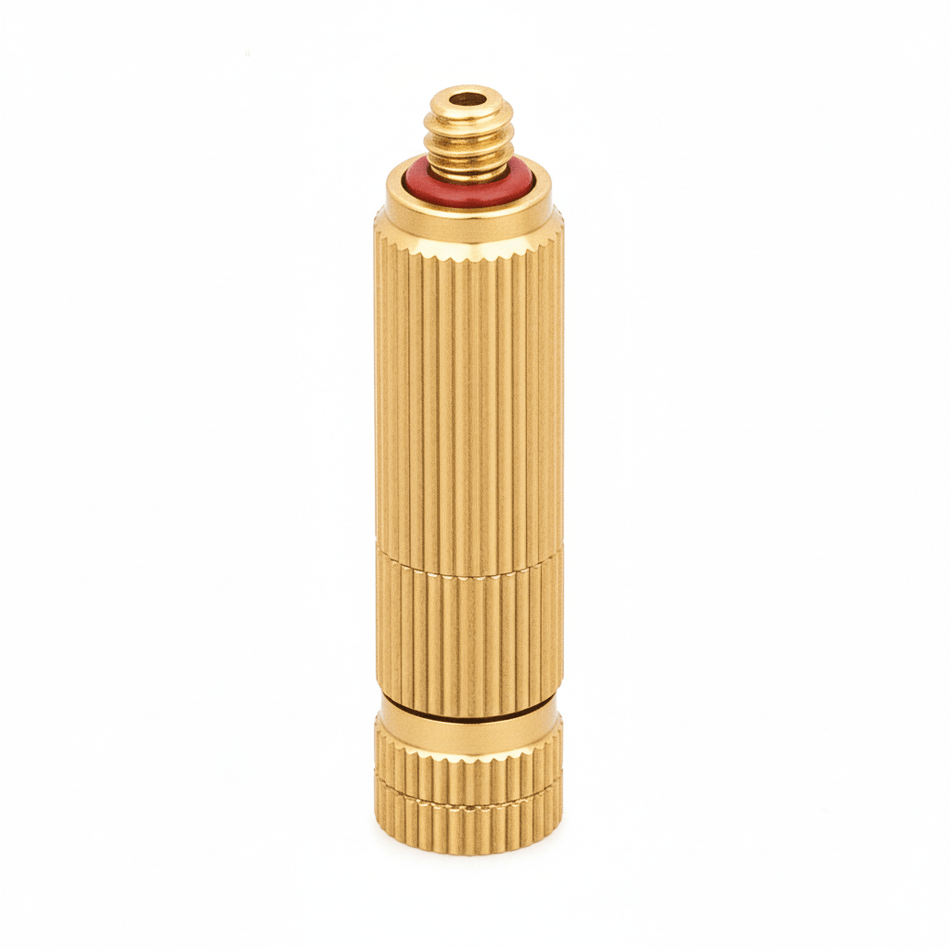


Hydraulic Spray Nozzles for Precise, Repeatable Atomization Without Compressed Air
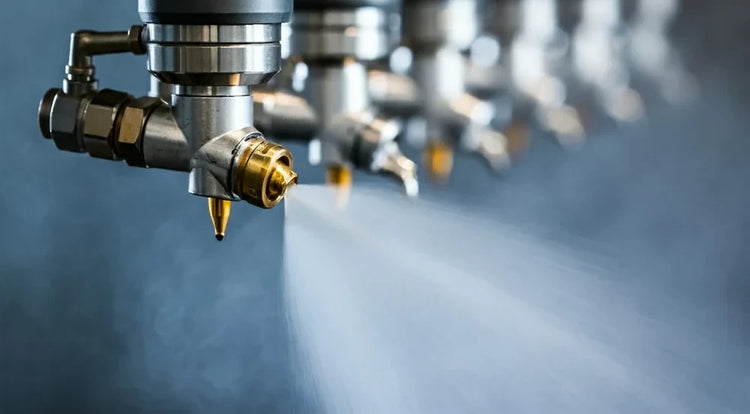
Hydraulic spray nozzles rely entirely on liquid pressure to atomize fluid, delivering reliable performance without compressed air.
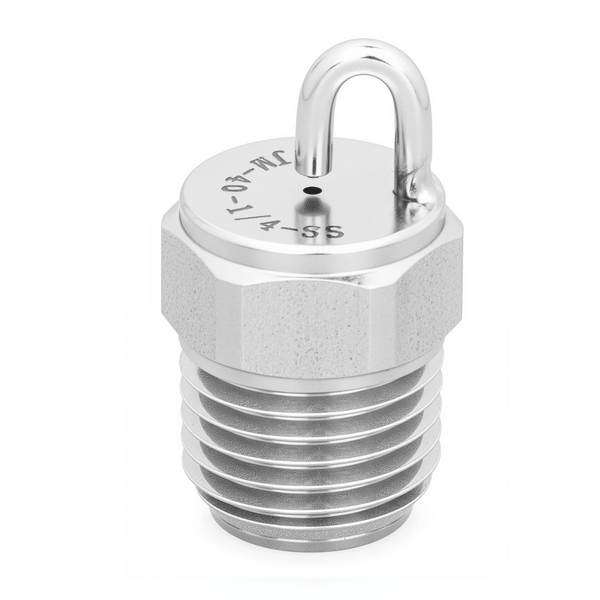
Spray Pattern
Hydraulic
Available SKUs
314 Products
Quality
Industrial Grade
Shipping
Ships Fast
How Hydraulic Spray Nozzles Work
Liquid pressure forces fluid through a precision orifice, converting pressure energy into spray velocity and droplet formation.
Operating Principle
Hydraulic atomization begins as pressurized liquid enters the nozzle body. In swirl-chamber designs, a tangential inlet port spins the fluid before it exits through a central orifice, centrifugal force spreads the liquid outward, forming a hollow cone or full cone pattern at the nozzle tip. In straight-bore designs, a smooth converging orifice accelerates the liquid to high velocity without imparting rotation, producing a flat fan or solid stream at the exit. In both cases, the velocity differential between the fast-moving liquid and the surrounding air causes the stream to break apart into droplets, a process called hydraulic breakup. Higher operating pressure produces finer droplets, wider spray angles, and higher flow rates. Lower pressure produces coarser droplets with more concentrated coverage. Because all atomization energy comes from the liquid supply pressure, there are no compressed air lines, mixing chambers, or pneumatic controls required.
What to Compare
Compare hydraulic spray pattern, capacity, material options such as 316L stainless steel, brass, 303/304 stainless steel, and hardened stainless steel, and connection details such as 1/4 in., 1/8 in., 3/8 in., and 1/2 in. with NPT connections where available.
Installation & Maintenance
Start with the process result you need, then confirm mounting distance, pressure at the nozzle, fluid compatibility, and how easily the part can be serviced.
Hydraulic Nozzle Applications
Hydraulic Nozzles are used across washing, rinsing, cooling, coating, and chemical dosing applications in industrial facilities.
Cleaning & Washing
Support rinsing, washdown, parts cleaning, and surface cleanup with coverage and impact matched to the soil load and line speed.
Coating & Surface Treatment
Apply coatings, chemicals, and pretreatment fluids with repeatable coverage and controlled transfer efficiency.
Cooling & Quenching
Control part temperature and process heat with spray coverage sized for the required cooling rate and heat removal.
Humidification & Conditioning
Produce droplets suited to humidity control, evaporative conditioning, and air treatment tasks.
Selecting the Right Hydraulic Nozzle
Choose orifice size, spray pattern, and material based on flow rate requirements, operating pressure, and liquid properties.
Flow Rate & Pressure
Start with the flow rate you need at the operating pressure available at the nozzle or assembly.
Spray Pattern & Coverage
Choose the hydraulic spray pattern that best matches the coverage width, impact, atomization, or washdown result your process requires.
Materials & Connections
Select wetted materials compatible with the fluid, temperature, and wear conditions; common options may include 316L stainless steel, brass, 303/304 stainless steel, and hardened stainless steel; common sizes include 1/4 in., 1/8 in., 3/8 in., and 1/2 in. with NPT connections where available.
Maintenance & Reliability
Consider clogging risk, wear life, ease of change-out, and the maintenance routine your process can realistically support.
Industries Using Hydraulic Spray Nozzles
Manufacturing, food processing, automotive, and chemical industries use hydraulic nozzles for their simplicity and reliability.
Hydraulic Nozzle FAQ
Common questions about hydraulic nozzle pressure requirements, flow rates, and when to choose hydraulic over air-assisted atomization.
What is a hydraulic spray nozzle?
A hydraulic spray nozzle is any spray nozzle that uses liquid pressure alone, without compressed air, to form a spray. The term covers a broad range of nozzle types including flat fan, full cone, hollow cone, fog and mist, and solid stream nozzles. All use pressure energy to atomize liquid through precision orifices or swirl chambers. The word "hydraulic" distinguishes them from air atomizing nozzles, which use a compressed air supply to produce finer droplets at lower liquid flow rates.
What is the difference between hydraulic and air atomizing nozzles?
Hydraulic nozzles rely on liquid pressure to atomize fluid. Air atomizing nozzles combine liquid with a compressed air stream that shears the liquid into very fine droplets, typically 10–50 microns, at low flow rates that hydraulic atomization cannot achieve. Air atomizing nozzles require compressed air infrastructure and are more expensive to operate due to air consumption, but they excel at fine misting, precise coating, and humidification at very low flow rates. Hydraulic nozzles are the right choice when compressed air is unavailable, operating costs matter, or flow rates and droplet sizes are within the hydraulic atomization range for your application.
What operating pressure do hydraulic spray nozzles require?
Pressure requirements vary significantly by nozzle type and application. Fog and mist nozzles typically operate at 20–1,000 PSI. Full cone and hollow cone nozzles typically operate at 5–100 PSI. Flat fan nozzles commonly operate at 15–80 PSI. Higher pressure produces finer droplets and wider spray angles but also increases flow rate. Always confirm the operating pressure of your system against the nozzle's rated performance curve before selection.
What materials are available for Hydraulic Spray Nozzles?
Common material options may include 316L stainless steel, brass, 303/304 stainless steel, and hardened stainless steel. Always match materials to fluid chemistry, temperature, and wear conditions.
What inlet sizes and connections are common for Hydraulic Spray Nozzles?
Common options vary by series, but many selections compare sizes such as 1/4 in., 1/8 in., 3/8 in., and 1/2 in. with NPT connections where available.
Can hydraulic nozzles be used for gas cooling and conditioning?
Yes. Hydraulic fog and mist nozzles are widely used for evaporative cooling, gas conditioning, and direct contact quench in industrial processes. The nozzle must be selected to produce droplets that evaporate within the available residence time in the gas stream, typically 50–150 microns for evaporative cooling, and 300–500 microns for direct contact quench where larger droplets carry more heat capacity.
How do I choose the right hydraulic nozzle spray pattern for my application?
Pattern selection depends on your coverage and impact requirements. Flat fan nozzles deliver precise linear coverage for washing, rinsing, and coating applications on moving conveyors or surfaces. Full cone nozzles fill a circular area uniformly, suited for tank washing, scrubbing, and chemical dosing. Hollow cone nozzles concentrate spray at the perimeter for maximum gas-liquid contact in scrubbing and cooling towers. Fog nozzles produce very fine droplets for evaporation, humidification, and dust suppression. Contact NozzlePro engineering for help matching spray pattern to your specific process parameters.
Which industries commonly use Hydraulic Spray Nozzles?
Hydraulic Spray Nozzles are frequently selected in Automotive, Building Materials, Chemical Processing, and Energy & Power Generation.
How can I reduce clogging, wear, or maintenance issues with Hydraulic Spray Nozzles?
Choose the correct material and orifice design for the fluid, verify filtration where needed, and set a maintenance routine based on actual service conditions.
When should I contact NozzlePro about Hydraulic Spray Nozzles?
Reach out when you need help balancing process performance, pressure, chemistry, maintenance access, or multiple candidate series.
Related Nozzle Technologies
Air atomizing nozzles and high-pressure nozzles offer alternative atomization methods for demanding spray applications.

NPHU
Compare NPHU by spray performance, material compatibility, connection size, and application fit.

NPHV
Compare NPHV by spray performance, material compatibility, connection size, and application fit.

NPHVL
Compare NPHVL by spray performance, material compatibility, connection size, and application fit.

NPSJ
Compare NPSJ by spray performance, material compatibility, connection size, and application fit.

NPHSJ
Compare NPHSJ by spray performance, material compatibility, connection size, and application fit.

NPMEG
Compare NPMEG by spray performance, material compatibility, connection size, and application fit.

NPSAMEG
Compare NPSAMEG by spray performance, material compatibility, connection size, and application fit.

NP-TC
Compare NP-TC by spray performance, material compatibility, connection size, and application fit.
Need Help Selecting the Right Nozzle?
Our engineering team is ready to help you find the perfect spray solution for your application.