
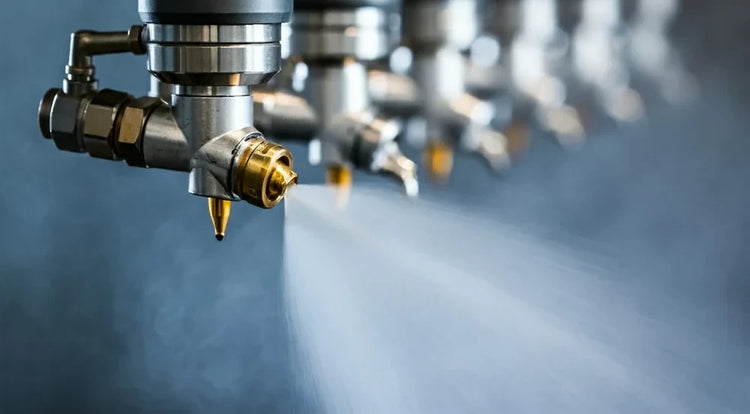
108 Productos


Serie NPAF - Rendimiento de Pulverización Industrial
La serie NPAF ofrece un rendimiento de pulverización constante y repetible en una amplia gama de caudales, presiones y requisitos de cobertura industriales.
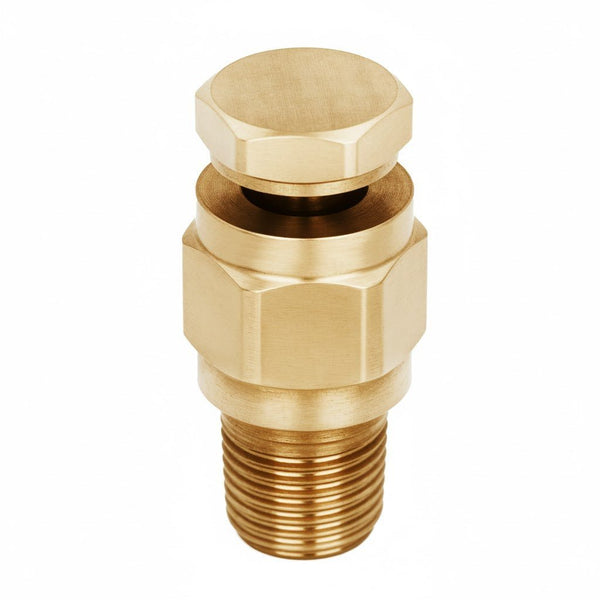
Spray Pattern
Cono hueco
Available SKUs
108 Products
Quality
Industrial Grade
Shipping
Ships Fast
Cómo funciona la serie NPAF
La geometría del orificio, diseñada con precisión en la serie NPAF, produce patrones de pulverización fiables y uniformes en todo su rango de presión de funcionamiento.
Principio de funcionamiento
NPAF es compatible con el rendimiento de la pulverización industrial donde los ingenieros necesitan el equilibrio adecuado de cobertura, presión y ajuste de la aplicación.
Qué comparar
Compare el patrón de pulverización de cono hueco, la capacidad, las opciones de materiales como latón, acero inoxidable 303/304 y acero inoxidable 316L, y los detalles de conexión como 3/8 pulg., 1/4 pulg. y 1/8 pulg. con conexiones NPT cuando estén disponibles.
Instalación y mantenimiento
Comience con el resultado del proceso que necesita, luego confirme la distancia de montaje, la presión en la boquilla, la compatibilidad del fluido y la facilidad con la que se puede reparar la pieza.
Áreas de aplicación de la serie NPAF
La serie de boquillas NPAF funciona de manera fiable en la refrigeración, limpieza, recubrimiento, enjuague y aplicación de productos químicos en entornos industriales.
Enfriamiento y Temple
Controle la temperatura de la pieza y el calor del proceso con una cobertura de pulverización adaptada a la velocidad de enfriamiento y la eliminación de calor requeridas.
Humidificación y Acondicionamiento
Produzca gotas adecuadas para el control de la humedad, el acondicionamiento evaporativo y las tareas de tratamiento de aire.
Control de Polvo y Contaminación
Capture el polvo en el aire, enfríe las corrientes de gas y suprima las emisiones fugitivas con el tamaño de gota y la cobertura adecuados.
Desinfección y Saneamiento
Aplique desinfectantes y enjuague con una cobertura controlada para un lavado higiénico y tratamiento de superficies.
Cómo seleccionar la boquilla NPAF adecuada
Elija el tamaño de orificio, el ángulo de pulverización y la opción de material correctos dentro de la serie NPAF para que coincidan con su caudal y requisitos de proceso específicos.
Caudal y presión
Comience con el caudal que necesita a la presión operativa disponible en la boquilla o el conjunto.
Patrón de pulverización y cobertura
Elija el patrón de pulverización de cono hueco que mejor se adapte al ancho de cobertura, el impacto, la atomización o el resultado de lavado que requiere su proceso.
Materiales y conexiones
Seleccione materiales húmedos compatibles con el fluido, la temperatura y las condiciones de desgaste; las opciones comunes pueden incluir latón, acero inoxidable 303/304 y acero inoxidable 316L; los tamaños comunes incluyen 3/8 pulg., 1/4 pulg. y 1/8 pulg. con conexiones NPT donde estén disponibles.
Mantenimiento y fiabilidad
Considere el riesgo de obstrucción, la vida útil, la facilidad de cambio y la rutina de mantenimiento que su proceso puede soportar de manera realista.
Industrias que utilizan la serie NPAF
La serie de boquillas NPAF se utiliza en aplicaciones industriales de fabricación, procesamiento de alimentos, químicas y generales en múltiples sectores.
Preguntas frecuentes de la Serie NPAF
Respuestas a preguntas frecuentes sobre las especificaciones de la serie NPAF, las opciones de materiales, los pedidos y el soporte técnico.
¿Para qué se utiliza la colección de boquillas de cono hueco NPAF?
La colección de boquillas de cono hueco NPAF se utiliza comúnmente para enfriamiento y templado, humidificación y acondicionamiento, control de polvo y contaminación, y desinfección y saneamiento.
¿Cómo elijo la boquilla de cono hueco NPAF correcta?
Comience con el resultado de proceso requerido, luego defina el caudal, la presión de operación, el objetivo de cobertura, la compatibilidad de materiales y las necesidades de mantenimiento.
¿Qué patrón de pulverización debo comparar para la boquilla de cono hueco NPAF?
El mejor patrón de pulverización de cono hueco depende de la geometría que necesite cubrir, el impacto de pulverización requerido y la presión disponible en la boquilla.
¿Qué materiales están disponibles para la boquilla de cono hueco NPAF?
Las opciones de materiales comunes pueden incluir latón, acero inoxidable 303/304 y acero inoxidable 316L. Siempre haga coincidir los materiales con la química del fluido, la temperatura y las condiciones de desgaste.
¿Qué tamaños de entrada y conexiones son comunes para la boquilla de cono hueco NPAF?
Las opciones comunes varían según la serie, pero muchas selecciones comparan tamaños como 3/8 pulg., 1/4 pulg. y 1/8 pulg. con conexiones NPT cuando estén disponibles.
¿Cómo afectan el caudal y la presión a la selección de la boquilla de cono hueco NPAF?
El caudal y la presión controlan la cobertura, el tamaño de las gotas, el impacto y el uso de productos químicos o agua, por lo que deben definirse antes de elegir una serie.
¿Qué aplicaciones son comunes para la boquilla de cono hueco NPAF?
Las aplicaciones comunes incluyen enfriamiento y templado, humidificación y acondicionamiento, control de polvo y contaminación, y desinfección y saneamiento.
¿Qué industrias utilizan comúnmente la boquilla de cono hueco NPAF?
La boquilla de cono hueco NPAF se selecciona con frecuencia en la automoción, materiales de construcción, procesamiento químico y generación de energía.
¿Cómo puedo reducir los problemas de obstrucción, desgaste o mantenimiento con la boquilla de cono hueco NPAF?
Elija el material y el diseño de orificio correctos para el fluido, verifique la filtración cuando sea necesario y establezca una rutina de mantenimiento basada en las condiciones de servicio reales.
¿Cuándo debo contactar a NozzlePro sobre la boquilla de cono hueco NPAF?
Comuníquese con nosotros cuando necesite ayuda para equilibrar el rendimiento del proceso, la presión, la química, el acceso para el mantenimiento o varias series candidatas.
Serie de boquillas relacionadas
Explore series de boquillas NozzlePro relacionadas con patrones de pulverización, rangos de flujo u opciones de materiales similares para su aplicación.

NPSJ
Compare el NPSJ por rendimiento de pulverización, compatibilidad de materiales, tamaño de conexión y adecuación a la aplicación.

NPBD
Compare NPBD por rendimiento de pulverización, compatibilidad de materiales, tamaño de conexión y adecuación a la aplicación.

NPAX
Compare NPAX por rendimiento de pulverización, compatibilidad de materiales, tamaño de conexión y ajuste de aplicación.

NPBX
Compare el NPBX por rendimiento de pulverización, compatibilidad de materiales, tamaño de conexión y adecuación a la aplicación.

NPE
Compare el NPE según el rendimiento de pulverización, la compatibilidad de materiales, el tamaño de conexión y la idoneidad para la aplicación.
Need Help Selecting the Right Nozzle?
Our engineering team is ready to help you find the perfect spray solution for your application.